Sanlúcar de Barrameda
AndalucíaClimate
Daily budget
Imagine standing on the riverbank just as the sun begins to set, a glass of chilled Manzanilla in hand, while the scent of sea salt and freshly fried fish fills the air. Sanlúcar de Barrameda is not just a city; it is a state of mind where the history of exploration blends with Andalusia’s purest seafaring traditions, and where time seems to stand still at the mouth of the Guadalquivir.
The must-seesWhat to see in Sanlúcar de Barrameda: the essentials
Sanlúcar de Barrameda boasts a unique monumental heritage linked to nobility and the sea, featuring historical landmarks ranging from the 15th to the 19th century.
Castillo de Santiago (Santiago Castle)
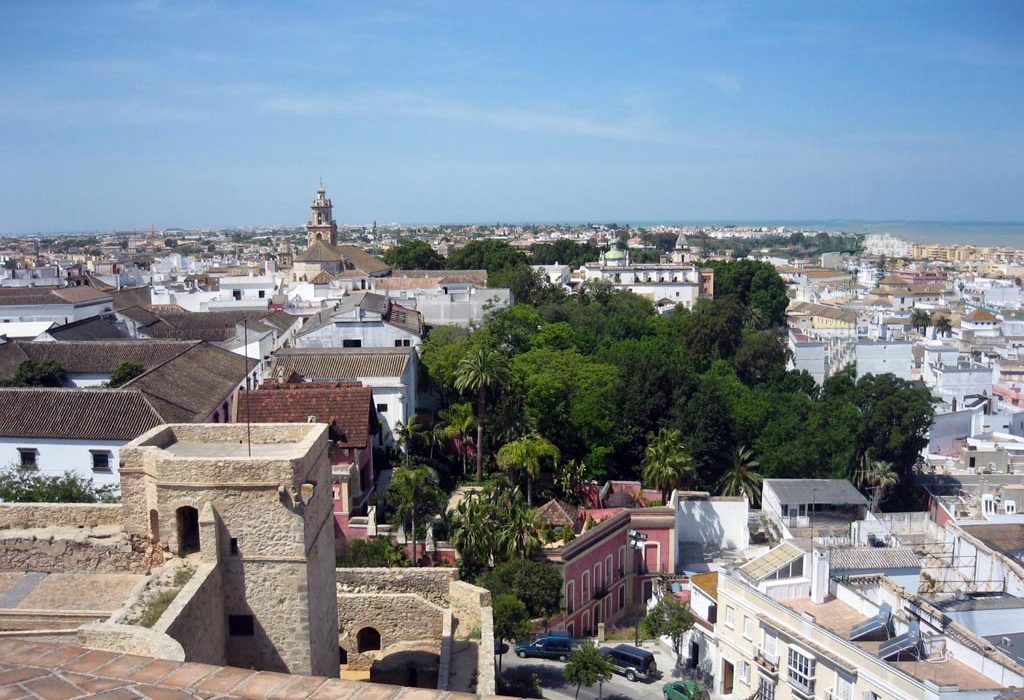
This medieval fortress was built in the 15th century specifically for the coastal defense of the town and the river mouth, offering stunning views of the Guadalquivir estuary and Doñana National Park from its walls and towers. It features an on-site ticket office with established rates and free entry during specific hours, including internal exhibitions subject to availability. It is a strategic point for understanding the city’s defensive importance in the past.
Palacio de Orleans-Borbón (Orleans-Borbón Palace)
Built between 1860 and 1870, this building served as the summer residence of the Dukes of Montpensier, Infantes of Orleans and Borbón. It stands out for its unique architecture blending Oriental, Arab, and Egyptian styles, as well as its gardens reflecting the city’s prosperity in past centuries. It currently houses municipal offices of the Town Hall, and its exterior can be visited freely at any time of day.
Puerto Pesquero de Sanlúcar (Sanlúcar Fishing Port)
This constitutes one of the most significant fishing enclaves on the Andalusian coast, with a deeply rooted seafaring tradition. Visitors can tour the fish market and witness the daily auction of fresh catch through guided tours, highlighting the importance of prawns and the local seafood-based gastronomy. It is the beating heart of local economic activity.
Castillo del Espíritu Santo (Holy Spirit Castle)
This historic palace is part of the city’s defensive and residential complex, integrated into the urban landscape of the Barrio Alto. Its structure reflects the military and noble architecture that characterized Sanlúcar’s expansion toward the sea. Although access may be more restricted, its silhouette is unmistakable on the city skyline.
Palacio de los Duques de Medina Sidonia (Palace of the Dukes of Medina Sidonia)
Built during the city’s golden age between the 15th and 16th centuries as a noble residence, it is noted for its palatial architecture and its connection to expeditions to the Americas organized from this lordship. Declared a Historic-Artistic Monument and headquarters of the Fundación Casa Medina Sidonia, it offers insight into the history of the Guzmán lineage, although access may be limited to specific events or areas. It is essential for understanding the power wielded by this family during the Age of Discovery.
Parque Nacional de Doñana (Doñana National Park)
A Biosphere Reserve and protected natural space located across the river from the city, it offers unique marshland and dune ecosystems observable from Sanlúcar’s viewpoints or via boat excursions.
Baluarte de San Salvador (San Salvador Bastion)
This bastion is an example of the military architecture that protected the city, strategically located to control river and maritime access.
Iglesia de Nuestra Señora de la O (Church of Our Lady of La O)
The main church of Sanlúcar, of Mudéjar origin (14th century), featuring a notable Gothic-Mudéjar façade and coffered ceilings; declared a Site of Cultural Interest and located in the Barrio Alto.
Conjunto Histórico-Artístico de Sanlúcar de Barrameda (Historic-Artistic Ensemble of Sanlúcar de Barrameda)
The city was declared a Historic-Artistic Ensemble by decree-law in 1973, protecting the historic urban core with narrow streets zigzagging toward the sea and the Guadalquivir River.
Barbadillo Winery
Historic winery in the Barrio Alto founded in 1821, the most renowned house of Sanlúcar manzanilla; it offers guided tours and houses the Manzanilla Museum.
Puerta de Rota
Monument that served as one of the main accesses to the walled city, connecting the urban core with the communication routes to Rota.
Convento de Capuchinos
Religious building founded in 1639 in the Caleta area, established on the old hermitage of Santa Catalina as part of the convent and historically linked to the artist Murillo.
Lola Flores Museum
Cultural space dedicated to the artist from Jerez located in Jerez de la Frontera, allowing visitors to explore the career of a key figure in flamenco and Spanish copla through exhibitions and an audio guide.
Historic Center (Muslim Streets)
The urban core preserves its Muslim origins with an irregular layout of narrow streets, allowing visitors to discover palaces and churches decorated with historical details dating back to the 15th century.
Monument to Those Executed During the Civil War
This monument commemorates a tragic historical event and serves as a place of memory within the city’s urban landscape.
La Gitana Winery
Renowned winery that forms an essential part of the region’s wine-making tradition, contributing to the worldwide fame of manzanilla.
Bust of Sor Ángela de la Cruz
Monument dedicated to this religious figure, located in a visible spot in the city to honor her legacy.
Virgin Mary
Religious monument that stands out in the urban environment, reflecting the Marian devotion present in the local culture.
Commemorative Statue of Pizarro
Monument recalling the figure of the conquistador and his historical connection to the region and its expeditions.
Bodegón de Arte a Contratiempo
Space or monument referencing artistic and gastronomic culture, integrating into the city’s cultural route.
Plaza Rafael Reig de Argüeso
Public space named after this local figure, serving as a meeting point or reference on the urban map.
Safari Doñana Stop (Ferry)
Key boarding point for excursions to Doñana National Park, connecting the city with protected nature.
Cárcel Real
Historic 18th-century building located in the Barrio Alto of Sanlúcar de Barrameda, which has been the subject of heritage recovery projects and represents a symbol of civic memory.
Plaza del Cabildo
Central public space located in the Historic-Artistic Ensemble of Sanlúcar de Barrameda, featuring traditional Andalusian, Baroque, and Neoclassical architecture that serves as a connection between tourist routes and local commerce.
Manzanilla Wine Cellars
Commercial or entertainment establishment where you can taste and purchase the characteristic wine of the designation of origin.
🍂 Otoño
Si visitas Sanlúcar de Barrameda en otoño, las temperaturas comienzan a bajar pero el ambiente se vuelve más tranquilo y auténtico. Es el momento ideal para recorrer las bodegas de manzanilla y degustar la cosecha sin prisas. Lleva siempre un paraguas en la mochila por si acaso cae algún chaparrón inesperado.
What to Do in Sanlúcar de Barrameda
Sanlúcar de Barrameda offers unique cultural and sporting activities, from manzanilla tastings in June to horse races on the beach in August.
Life here revolves around the river and the sand. You cannot miss the Feria de la Manzanilla (Manzanilla Fair) in June, an emblematic celebration dedicated to its wine, unique for its location at the mouth of the Guadalquivir. If you travel in summer, the star event is the Carreras de Caballos en la Playa (Horse Races on the Beach) in August, one of the oldest equestrian competitions in Europe, held in the afternoons during low tide since 1845 and declared a Festival of International Tourist Interest. For a quieter experience, you can visit the Mercado de Abastos (Supply Market) to see fresh fish or stroll through the Barrio Alto to feel the historical silence among palaces and convents.
Sanlúcar de Barrameda in one day: express itinerary
If you only have 24 hours, this optimized route will allow you to see the essentials of the city without rushing but without pauses.
- 10:00 AM – Barrio Alto and Palacio de los Duques de Medina Sidonia (Palace of the Dukes of Medina Sidonia): Start your morning in the upper area to visit this palace built between the 15th and 16th centuries, key to understanding the expeditions to the Americas.
- 12:00 PM – Iglesia de Nuestra Señora de la O (Church of Our Lady of the O) and Castillo de Santiago (Santiago Castle): Walk towards the main church of Mudéjar origin and then go up to the 15th-century castle to enjoy views of the estuary and Doñana.
- 14:00 PM – Lunch in Bajo de Guía: Head down to the river to eat in the Bajo de Guía area, famous for its waterfront restaurants and maritime atmosphere.
- 16:30 PM – Palacio de Orleans-Borbón (Orleans-Borbón Palace) and Gardens: Visit the exterior of this building with Oriental styles constructed between 1860 and 1870, ideal for photos and a quiet stroll.
- 19:00 PM – Sunset at the Desembocadura del Guadalquivir (Guadalquivir River Mouth): End the day watching how the river pours its waters into the Atlantic, an enclave that marked the history of ships coming from America.
Where to eat in Sanlúcar de Barrameda: local gastronomy
Where to sleep in Sanlúcar de Barrameda
Barrio Alto
El casco histórico con sus palacios, iglesias antiguas y bodegas de manzanilla.
Bajo de Guía
Famosa zona junto a la desembocadura del Guadalquivir, ideal para disfrutar del marisco y las puestas de sol.
Centro - Calzada
El corazón de la vida social de Sanlúcar, con la Plaza del Cabildo y el paseo de la Calzada llenos de bares y gente.
La Jara
Zona residencial junto a la playa, perfecta para un ambiente más tranquilo y familiar.
How to get to Sanlúcar de Barrameda
The city has nearby land and air connections, with Jerez Airport being the fastest option for international travelers.
| Medio | Detalles / Duración | Precio aprox. | Frecuencia |
|---|---|---|---|
| Avión | Aeropuerto de Jerez de la Frontera (XRY) a 25 km. | Variable según origen. | Según vuelos. |
| Tren | Estación de Jerez de la Frontera (estación más cercana, sin AVE). Destinos directos: Madrid, Sevilla, Cádiz. | Según Renfe. | Diaria. |
| Autobús | Estación de Autobuses de Sanlúcar de Barrameda. Compañías: InterBus, Monbus, Damas, Alsa, Avanza (urbano). | Económico. | Regular. |
| Coche | Carreteras: A-491, A-2077, A-480, A-2078, A-2079. | Combustible + Peajes (si aplica). | Libre. |
How to get around Sanlúcar de Barrameda
Urban transport is simple and the center is very walkable. The city has a city bus service operated by companies like Avanza to connect the different neighborhoods. Furthermore, much of the center is pedestrianized, making it easy to explore the Historic-Artistic Ensemble on foot without worrying about traffic. To reach specific points like the Doñana Safari Stop, you can use the available ferry.
Weather in Sanlúcar de Barrameda
Best Time to Visit Sanlúcar de Barrameda
Day Trips from Sanlúcar de Barrameda
Sanlúcar’s location makes it easy to visit other emblematic cities in the province of Cádiz. Jerez de la Frontera is just 23 km away and perfect for visiting the Lola Flores Museum or its renowned wineries (bodegas). Cádiz, the provincial capital, lies 50 km away and offers a fascinating historic urban contrast. You can also consider day trips to Seville, located 96 km away, to explore the Andalusian capital over a full day.
Who Is Sanlúcar de Barrameda For?
Sanlúcar de Barrameda is an ideal destination for foodies and wine lovers due to its seafood gastronomy and manzanilla sherry. It is also perfect for history enthusiasts interested in the Age of Discovery and noble architecture. Families will find a safe atmosphere and accessible beaches, while cultural travelers will appreciate its status as a Historic-Artistic Ensemble (Conjunto Histórico-Artístico). With accommodation prices ranging from hostels at €18 to luxury hotels at €200, it suits various budgets.
Frequently Asked Questions about Sanlúcar de Barrameda
How many days do I need to see Sanlúcar de Barrameda?
Two or three days are sufficient to explore main attractions such as Santiago Castle, the Orleans-Borbón Palace, and enjoy the local cuisine at a relaxed pace, following an itinerary like the one proposed in this guide.
Is Sanlúcar de Barrameda expensive?
Not necessarily. Estimated prices for an average meal range from €12–€18, and accommodation varies from €18–€30 in hostels to €50–€80 in 3-star hotels, making it accessible for most travelers.
What is the best time to visit Sanlúcar de Barrameda?
According to climate data, the best time is from April to October, with average summer temperatures of 24.3°C, ideal for enjoying events such as the Horse Races on the Beach (Carreras de Caballos en la Playa) in August.
How do I get to Sanlúcar de Barrameda from Madrid?
You can take a train with a direct destination to Jerez de la Frontera station (according to Renfe) and then catch a bus or taxi from there, or fly to Jerez de la Frontera Airport (XRY), which is 25 km from the city.
🗺️ Rutas desde Sanlúcar de Barrameda
- How to Get from Sanlúcar de Barrameda to Cádiz: Distance, Train, Bus and Car
- How to Get from Cadiz to Sanlucar de Barrameda: Distance, Train, Bus and Car
- How to Get from Sanlúcar de Barrameda to Jerez de la Frontera: Distance, Train, Bus and Car
- How to Get from Jerez de la Frontera to Sanlúcar de Barrameda: Distance, Bus and Car