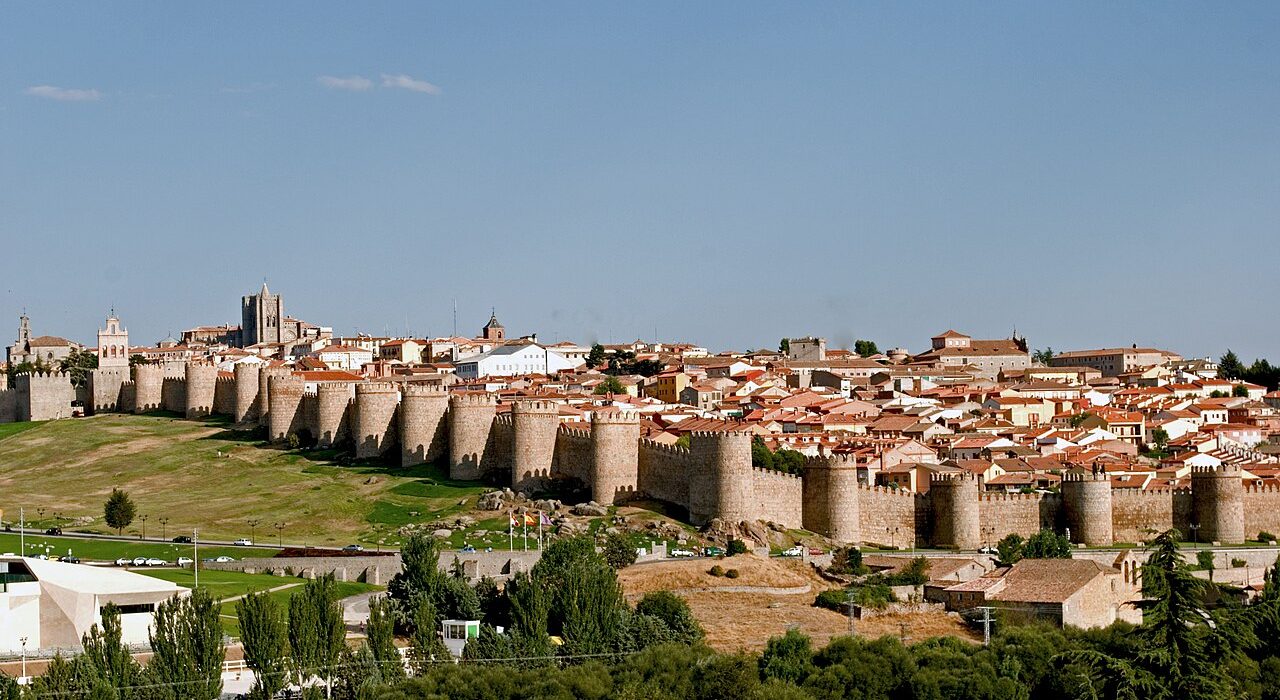
Segovia → Ávila
67 kmCrossing the Sierra de Guadarrama to connect two of Castile’s most impressive medieval jewels is an experience that transcends mere transit; it is a journey through history, where asphalt merges with pine forests and granite landscapes under a sky that seems bluer than anywhere else. This route is not just a line on the map linking Segovia and Ávila, but a bridge between two stone worlds that have withstood the passage of centuries, offering travelers a fast, free, and visually striking drive completed in just 50 minutes of relaxed cruising.
How to get from Segovia to Ávila: quick summary
The most efficient and recommended option for traveling between these two cities is undoubtedly by private car, as there is no direct rail connection and the distance is short. For travelers seeking freedom and flexibility, a private vehicle is the undisputed choice, allowing you to enjoy intermediate stops in the mountains without relying on rigid schedules. While public transport exists in the form of intercity buses, the lack of a direct train makes the experience less fluid and requires more planning time. In short, if you are traveling as a couple, family, or group of friends, renting a car or using your own is the winning strategy to optimize time and budget, turning the transfer into an integral part of the tourist adventure.
Driving from Segovia to Ávila
The drive covers a total distance of 67 kilometers and takes an estimated 50 minutes, utilizing a combination of modern, well-maintained highways. The main route begins by taking the A-6, known as the Autovía del Noroeste (Northwest Highway), a high-capacity toll-free road, which is excellent news for the traveler’s wallet. This highway allows you to leave Segovia smoothly and venture into the mountainous geography separating the two provinces. After the first section, the route connects with the A-50, the Autovía Ávila-Salamanca (Ávila-Salamanca Highway), which also requires no tolls and leads you directly into the capital of Ávila province. The absence of additional costs on the highway makes this trip very economical in terms of road infrastructure, limiting expenses primarily to fuel. Driving is straightforward, with gentle curves adapting to the mountain terrain, offering a safe and pleasant driving experience both day and night. It is important to stay alert in mountain sections where weather can change rapidly, but under normal conditions, it is a fully enjoyable drive thanks to the panoramic views these highways offer while crossing the Central System.
Recommended stops along the way
Although the journey is short, the route is dotted with charming towns worthy of a pause to stretch your legs and breathe in pure mountain air. Below, we detail verified stops that will enrich your experience:
Guadarrama
Guadarrama is a strategic and charming stop located in the very heart of the Sierra de Guadarrama. This municipality is known for its mountain atmosphere and proximity to natural spaces of great value. Stopping here allows you to disconnect from traffic and enjoy the area’s traditional architecture, with stone buildings that harmonize with the surroundings. It is an ideal place to grab a hot coffee before continuing to Ávila, especially if traveling during colder months, as the mountain village ambiance invites tranquility. Furthermore, its location makes it an important geographical landmark, marking the transition between the Segovian plateau and the higher foothills preceding Ávila.
El Espinar
El Espinar is another mandatory stop on this route, strategically situated on the way to the capital of Ávila province. This town offers a different perspective on the journey, being an enclave that has managed to maintain its essence while serving as a link between the two provinces. It is a perfect spot for a quick technical break or to explore its streets if you have a bit more time. The feeling of being in a privileged natural setting is palpable in El Espinar, serving as a reminder of the scenic richness you cross before reaching the imposing Walls of Ávila (Muralla de Ávila). Both towns, Guadarrama and El Espinar, act as guardians of the route, offering basic services and a necessary respite on a journey that, although brief, concentrates much visual beauty.
Where to stay in Ávila
Upon arriving at your destination, your choice of accommodation will depend on whether you seek total immersion in history or a more practical and economical option. To live the complete experience, it is recommended to look for lodging within the walled enclosure or in the immediate vicinity of the city gates. Sleeping inside the walls allows you to stroll through the cobblestone streets at night, when the silence and monumental lighting create a magical atmosphere found nowhere else. Prices in this area usually range from medium to high, reflecting the exclusivity of the location and the quality of the establishments, which are often rehabilitated historic buildings.
On the other hand, if you are traveling on a tighter budget or prefer modern amenities such as easy parking, areas outside the walls, especially near the train station or in the outskirts connected by the A-50, offer valid alternatives. Here you will find chain hotels and hostels with more affordable price ranges, ideal for travelers planning to use a car to get around or who prioritize saving money to spend on gastronomy. In general, prices in Ávila can vary significantly depending on the season, being higher during long weekends and weekends, so it is advisable to book in advance to secure the best rates, which can range from budget options to luxury stays in historic Paradores.
Frequently Asked Questions about the Segovia-Ávila Route
How long does it take to get from Segovia to Ávila?
The estimated travel time is 50 minutes by car, covering a distance of 67 kilometers via the A-6 and A-50 motorways.
Which is cheaper, the train or the bus?
Direct price comparison with the train is not possible because there is no direct train line between Segovia and Ávila. Driving, using toll-free motorways, is usually very cost-effective when shared among several passengers, while bus fares can vary depending on the carrier and how far in advance you book.
Is it worth renting a car?
Yes, renting a car is absolutely worthwhile due to the lack of a direct train and the opportunity to make recommended stops along the way, such as Guadarrama and El Espinar, which enriches the journey and offers total flexibility.
When is the best time to travel?
The best time to travel depends on your preferences, but the mountain route is especially pleasant in spring and autumn, when the weather is mild and the landscapes along the A-6 and A-50 display their finest colors, avoiding potential winter snowfalls or intense summer heat.