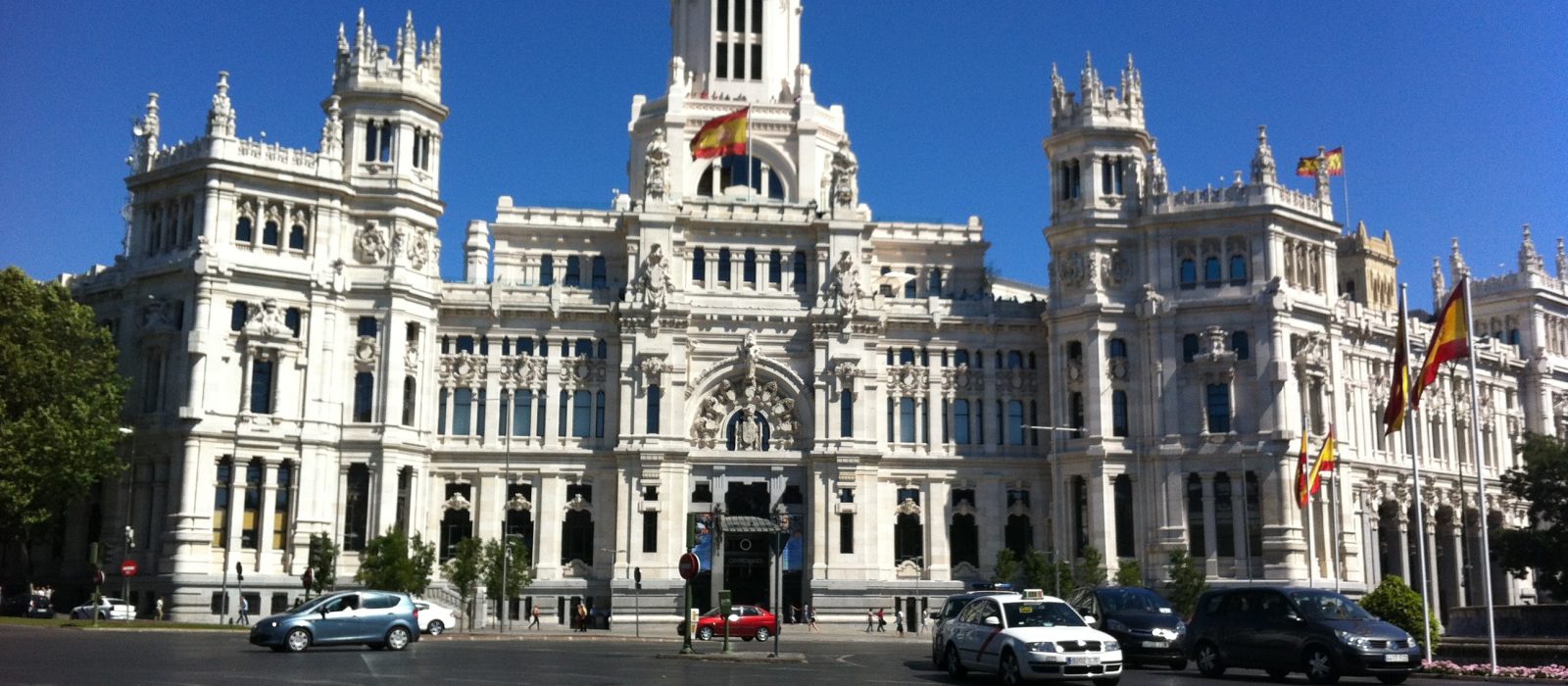
4-Day Itinerary in Madrid and Surroundings: Summary
This 4-day itinerary covers Madrid, Toledo, Segovia, El Escorial, and Ávila with a budget of €350–500 per person.
This route is designed for cultural travelers wishing to immerse themselves in Spanish imperial history, the art of the great masters, and medieval architecture, without sacrificing renowned gastronomy. It is ideal for couples or groups of friends who prefer an active yet organized pace, making the most of daylight hours to explore UNESCO monuments and saving evenings for tapas and Madrid’s vibrant atmosphere. Although time is limited, this plan optimizes travel so you can experience the essence of the Community of Madrid and its neighboring provinces.
| Día | Ciudad Principal | Highlights Culturales | Km aprox. (desde Madrid) |
|---|---|---|---|
| Día 1 | Madrid Centro | Museo del Prado, Palacio Real, Gran Vía | 0 km |
| Día 2 | Toledo | Catedral Primada, Alcázar, Sinagoga | 75 km (ida) |
| Día 3 | Segovia | Acueducto, Alcázar, Catedral | 90 km (ida) |
| Día 4 | El Escorial y Ávila | Monasterio de El Escorial, Murallas de Ávila | 50 km + 60 km (ruta circular) |
Day 1: Imperial Madrid and the Art Triangle
Morning
Activity 1: Museo Nacional del Prado (2.5–3 hours). Begin your cultural journey at one of the world’s most important museums. Dedicate the morning to masterpieces by Velázquez, Goya, and El Greco. Admission costs approximately €15, though it is free from Monday to Saturday between 18:00 and 20:00, and on Sundays from 17:00 to 19:00 (subject to availability).
Activity 2: Stroll through Parque del Buen Retiro (1 hour). After the museum, relax with a walk through this green lung of the city. Visit the Palacio de Cristal (Crystal Palace) and the main pond.
Recommended breakfast: A classic café in the Letras or Atocha area. Estimated price: €5–8 for coffee and toast.
Midday
Where to eat: Head to Plaza Mayor to try the famous Bocadillo de Calamares (squid sandwich). It’s a quick, affordable (approx. €4–6), and authentic culinary experience. Sit-down alternative: a traditional restaurant to sample Callos a la Madrileña (a stew of veal tripe, chorizo, and paprika). Average price: €15–25.
Afternoon activity: A quick visit to Puerta del Sol to see the Bear and the Strawberry Tree statue and Kilometer Zero.
Afternoon
Afternoon activities: Walk along Gran Vía, known as Madrid’s Broadway, admiring its early 20th-century architecture. Visit the Palacio Real de Madrid (Royal Palace of Madrid; admission approx. €13), the official residence of the Kings of Spain, although currently used only for state ceremonies. Its grand halls and the Royal Armory are must-sees.
Snack or rest: Enjoy churros with chocolate at a historic chocolatería like San Ginés (approx. €5) or take a break at your accommodation.
Evening
Dinner: Explore the La Latina or Huertas neighborhoods. Try Huevos Rotos (fried eggs with runny yolks served over potatoes and ham) at a classic tavern. Average price: €20–30.
Nightlife: Madrid is famous for its vibrant nightlife. You can enjoy a cocktail on a rooftop terrace with views of the Almudena Cathedral or soak up the tapas atmosphere along Cava Baja.
Day 2: Toledo, the City of Three Cultures
Morning
Activity 1: Transfer to Toledo. Early departure. Renfe connects Madrid (Atocha station) with Toledo in just 30 minutes on the high-speed train (Avant), costing approximately €15-25 per trip if booked in advance. By car, it is 75 km and about 55 minutes via the A-4.
Activity 2: Primate Cathedral of Toledo and Alcázar. Visit the imposing Gothic Cathedral (entry approx. €10) and climb the Alcázar of Toledo to enjoy panoramic views of the Tagus River and the city (Army Museum entry approx. €6).
Recommended breakfast: At Plaza de Zocodover. Toast with tomato and oil or local pastries. Price: €4-7.
Midday
Where to eat: Trying Toledan cuisine is a must. Look for a restaurant in the historic center to taste Perdiz a la Toledana (partridge slow-cooked with wine and herbs) or Carcamusas (pork stew with tomatoes and peas). Average price: €25-35.
Afternoon
Afternoon activities: Explore the Jewish Quarter. Visit the Synagogue of Santa María la Blanca (entry approx. €3) and the Mosque of Cristo de la Luz, supreme examples of Mudéjar art. If you are interested in modern art, the Toledo Museum of Contemporary Art is an interesting option.
Snack: You cannot leave without buying Mazapán (marzipan) at a traditional confectionery (such as Santo Tomé). Estimated price: €15-20 per kilo.
Night
Dinner: Return to Madrid. Have a light dinner at your accommodation or enjoy tapas near your hotel. If you decide to stay in Toledo, the night is very quiet, ideal for a romantic walk through the illuminated streets.
Nightlife: Toledo closes early. The atmosphere concentrates on the terraces of Zocodover before 23:00.
Day 3: Segovia, Aqueduct and Fairy Tales
Morning
Activity 1: Transfer to Segovia. The AVE train from Madrid-Chamartin arrives at Segovia-Guiomar in 27 minutes (approx. €20-30). From the station, a bus takes you to the center in 10 minutes. By car, it is 90 km (1 h 15 min).
Activity 2: The Aqueduct and Plaza Mayor. Begin by admiring the Roman engineering of the Segovia Aqueduct, a UNESCO World Heritage Site. It is the symbol of the city and located right in the center.
Recommended breakfast: Café facing the Aqueduct. Price: €5-8.
Midday
Where to eat: Segovia is the capital of roast meats. You must try Cochinillo Asado (crispy on the outside, juicy on the inside) or Lechazo Asado (roast suckling lamb). Historic restaurants like Mesón de Cándido offer this experience (medium-high price: €35-50). More affordable option: Judiones de La Granja (giant beans stew) or Sopa Castellana (Castilian garlic soup) in downtown taverns (€15-25).
Afternoon
Afternoon activities: Climb to the Royal Alcázar of Segovia, the castle that inspired Disney (entry approx. €8.5). Its towers and throne rooms are spectacular. Afterwards, visit the Segovia Cathedral, known as “The Lady of Cathedrals” (entry approx. €5). Walk along the Segovia City Walls if you still have energy.
Snack: Ponche Segoviano (typical sweet) at a local bakery. Price: €3-5 per unit.
Night
Dinner: Return to Madrid. If it is summer, you can take advantage of Veranos de la Villa, a cultural festival featuring concerts and open-air cinema at various points in the capital.
Nightlife: Malasaña or Chueca for a more alternative and youthful atmosphere after an intense day of sightseeing.
Day 4: The Route of the Kings (El Escorial and Ávila)
Note: This is an intense day. Renting a car specifically for this day to optimize time, or hiring an organized tour covering both routes, is recommended.
Morning
Activity 1: Monastery of El Escorial. Early departure from Madrid (50 km, 45 min). Visit the Royal Site of San Lorenzo de El Escorial, residence of the kings of Spain and royal pantheon. The library and the Battle Halls are highlights. Entrance approx. €12.
Activity 2: Transfer to Ávila. From El Escorial, take the road towards Ávila (approx. 60 km, 50 min).
Recommended breakfast: In the town of El Escorial, before entering the monastery. Price: €5-8.
Midday
Where to eat: In Ávila, try local dishes such as Chuletillas de Cordero (lamb chops) or local cured meats. Average price: €20-30.
Afternoon
Afternoon activities: Ávila is the city with the best-preserved walls. Walk along the adarve (upper part of the wall) if possible, or simply walk around to appreciate its magnitude. Visit the Basilica of Santa Teresa-Jornet and the Cuatro Postes (Four Pillars) for the classic photo of the walled city. You can also visit nearby archaeological sites such as the Túmulo Aldeagordillo 22 if you are fond of prehistoric archaeology.
Snack: Yemas de Santa Teresa (conventual sweet). Price: €4-6.
Night
Dinner: Return to Madrid (110 km from Ávila, 1 h 15 min). Farewell dinner. Luxury option: If the budget allows, book a Michelin-starred restaurant like DiverXO, Coque, or DSTAgE (tasting menus from €200). Mid-range option: Final tapas tour along Calle Ponzano.
Nightlife: Enjoy a final drink in the Salamanca or Huertas neighborhoods.
Recommended Accommodation
- Madrid (Base for 4 days): Staying in the center is recommended to save time on transport.
- Sol / Gran Vía Area: Ideal for first-timers, very central but noisy. Price range: €100-200/night (double room).
- Barrio de las Letras / Huertas Area: Cultural and gastronomic atmosphere. Price range: €120-220/night.
- Malasaña / Chueca Area: Young and modern vibe. Price range: €90-180/night.
Transport between cities
- Madrid – Toledo: Avant train (Renfe) from Atocha (30 min, ~€20). Bus from Estación Sur (1 h, ~€5). Car (55 min, 75 km).
- Madrid – Segovia: AVE train from Chamartín (27 min, ~€25). Bus from Moncloa (1 h 15 min, ~€10). Car (1 h 15 min, 90 km).
- Madrid – El Escorial: C-3 train from Atocha/Chamartín (1 h, ~€4). Bus from Moncloa (1 h, ~€5). Car (45 min, 50 km).
- El Escorial – Ávila: Best option by car (50 min). By public transport it is complex (train to Ávila from Madrid or bus with transfer).
- Ávila – Madrid: Bus from Ávila Bus Station (1 h 30 min, ~€12). Car (1 h 15 min, 110 km).
Estimated Budget (per person)
This breakdown assumes a trip for two sharing a room and splitting food/entry costs.
- Accommodation (3 nights): €300 – €500 (total room) -> €150-€250 per person.
- Transport (Trains/Bus/Fuel): €60 – €100.
- Food and Drink (4 days): €40/day (average) -> €160.
- Monument Entries: €50 – €70 (Prado, Royal Palace, Alcázares, Cathedrals).
- Estimated Total: €420 – €580 per person (Mid-to-high range due to inclusion of all entries and sit-down meals).
- Budget Option: If prioritizing daily set menus (*menú del día*), walking more, and choosing hostel-style accommodation, it can be adjusted to €250 – €300.
Practical Tips
- Book the Prado and the Royal Palace in advance: These are the most visited sites and queues can last hours, especially on weekends.
- Meal times: In Spain, lunch is late (14:30 – 15:30) and dinner is late (21:00 – 22:30). Many kitchens close between 16:00 and 20:00.
- Free water: In Madrid, tap water is excellent. Ask for “una jarra de agua del grifo” (a jug of tap water) in restaurants to save on drinks.
- Comfortable footwear: Toledo, Segovia, and Ávila have cobblestone streets and steep slopes. Avoid high heels or very thin soles.
- Youth/student discount: If you are under 26 or have an international student card (ISIC), always carry it; many tickets offer significant discounts.
- Climate: Madrid has an extreme climate. Summers are very hot at midday (plan indoor visits for these hours) and winters are cold at night. Always bring an extra layer.
Frequently Asked Questions
Is it necessary to rent a car for the entire itinerary?
It is neither necessary nor recommended for the whole trip. For Madrid, Toledo, and Segovia, the high-speed train is faster and more comfortable, avoiding parking issues in historic centers. However, for Day 4 (combining El Escorial and Ávila), renting a car for a day or hiring a private tour is the most realistic and time-efficient option.
How much does it cost to enter the Museo del Prado and are there free days?
General admission costs around €15. However, the museum offers free entry from Monday to Saturday between 18:00 and 20:00, and on Sundays and holidays from 17:00 to 19:00. It is necessary to collect the ticket at the box office or online in advance due to limited capacity during these slots.
What typical dish must I try in each city?
In Madrid: Cocido Madrileño (Madrid-style stew) or Bocadillo de Calamares (squid sandwich). In Toledo: Perdiz a la Toledana (Toledo-style partridge) or Mazapán (marzipan). In Segovia: Cochinillo Asado (roast suckling pig). In Ávila: Chuletillas de cordero (lamb chops) or Yemas de Santa Teresa (egg yolk sweets).
Is it safe to walk at night in these cities?
Yes, Madrid, Toledo, Segovia, and Ávila are generally very safe cities for tourists. Central and monumental areas usually have police presence and tourists until late. As in any major city, it is advisable to maintain usual precautions with belongings in very crowded areas like Puerta del Sol.