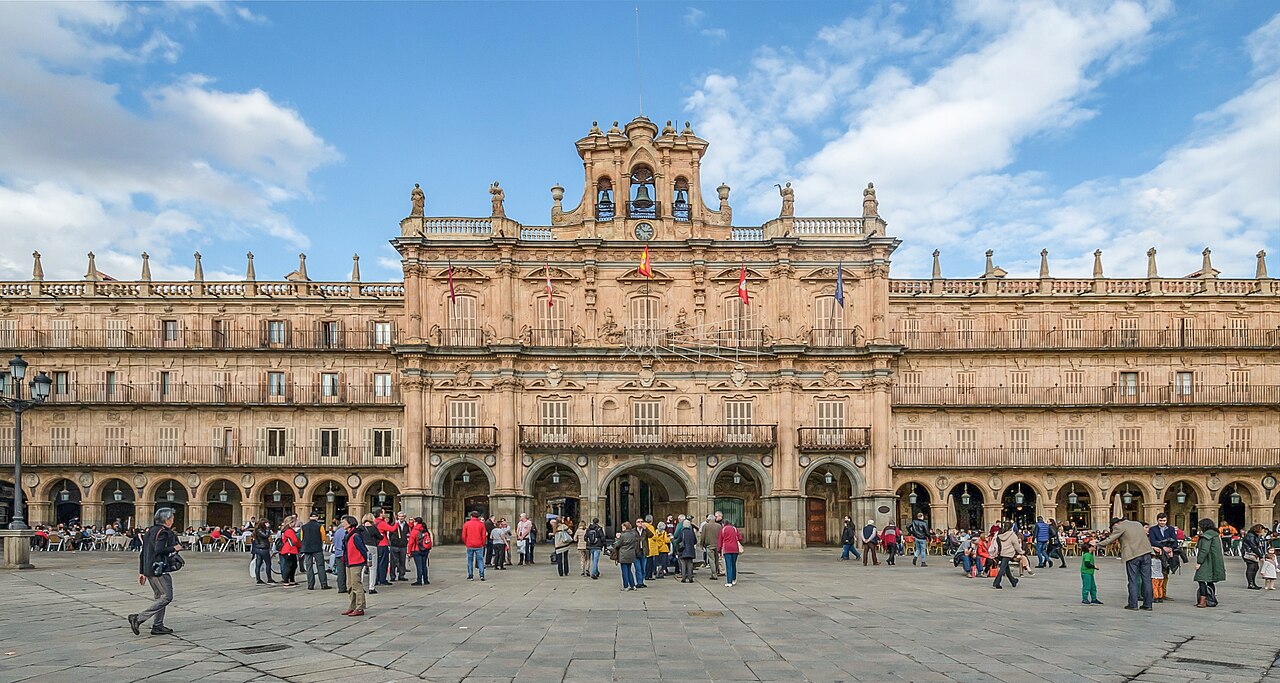
Zamora → Salamanca
64 kmCrossing the Castilian meseta (plateau) between two of the brightest jewels of Romanesque and Plateresque architecture is an experience that unfolds in under an hour of driving, with the Duero landscape gliding gently past your window. This stretch is not merely a logistical hop, but a quick and efficient bridge between two provincial capitals that share history, gastronomy, and a pace of life that is unhurried yet vibrant. The proximity is such that you can enjoy breakfast in Zamora’s Plaza Mayor and be gazing at the golden facades of Salamanca before your coffee has even gone cold, turning the journey into a natural extension of sightseeing pleasure rather than a transport obligation.
How to get from Zamora to Salamanca: quick overview
The best way to connect Zamora with Salamanca is by private vehicle, given the short distance and the fact that there is no direct rail link. Although bus options cover the route, the freedom and speed offered by a private car make it the undisputed choice for the vast majority of travelers. With no direct train line between the two cities, reliance on road transport is total, which simplifies decision-making: if you want speed and flexibility, the car is your only and best real option.
For the independent traveler or family, renting a car or using your own vehicle is the standard recommendation. The road infrastructure is excellent and allows for a steady flow without toll interruptions. If you are a strict backpacker without access to a vehicle, you will need to look for bus connections, as the rail option is ruled out entirely due to the lack of direct service. In short, to make the most of your time and avoid complicated transfers, the road is the undisputed queen of this route.
Driving from Zamora to Salamanca
The drive is mainly along the A-66 motorway, a fast, toll-free route that cuts through the heart of the Ruta de la Plata (Silver Route). This road is the backbone of the journey, specifically designed to connect the north and south of the peninsula via these two key cities. Taking the A-66 means enjoying well-maintained asphalt and clear signage that guides you directly to your destination without unnecessary detours. The most notable feature of this route is that it is completely free, eliminating any extra toll costs that could make the trip more expensive in other parts of Spain.
In addition to the main route, the road map offers alternatives and connections that form part of the area’s road network, all of them toll-free. The A-11 motorway, known as the Autovía del Duero (Duero Motorway), is another important road in the region; although its main route runs east-west, it forms part of the road ecosystem that facilitates movement within the province. Similarly, the A-50, or Autovía Ávila-Salamanca (Ávila-Salamanca Motorway), is a key piece of infrastructure that, while it connects to Ávila, is vital for understanding Salamanca’s connectivity with the rest of the high-capacity network.
For those who prefer conventional roads or need to reach specific points, the N-122 is a viable option. This national road, which runs from Zaragoza to Portugal via Zamora, offers a more traditional driving experience, passing through villages and allowing you to see the landscape up close, although it can be slower than the motorways. Finally, the A-62, or Autovía de Castilla (Castile Motorway), is another essential toll-free artery connecting the region, ensuring that, regardless of your exact starting point in the surrounding area, there is always a fast road available. The combination of the A-66 as the main axis and the support of the A-11, A-50, N-122 and A-62 guarantees that the 64 kilometres are covered with complete ease.
The estimated time to complete this journey is just 45 minutes. This brevity makes for a very relaxed trip; there is no need to leave in an extreme rush or suffer the fatigue of long hours behind the wheel. It is an ideal journey for listening to music, chatting, or simply enjoying the calm of the Zamora and Salamanca countryside before arriving in the bustling university capital. The absence of tolls on all these roads (A-66, A-11, A-50, N-122, A-62) makes this one of the most economical and straightforward routes in the whole of north-western Spain.
Where to stay in Salamanca
The best areas to spend the night in Salamanca are in the historic center, near the Plaza Mayor and the University, offering a wide range of prices. Staying in the heart of the city is the most recommended option for those who want to have everything within walking distance, since most of the monuments, restaurants, and tapas bars are concentrated in a very small radius. However, the choice of neighborhood and type of accommodation will depend largely on your budget and the type of experience you are looking for.
For travelers on a tighter budget, there are economical options in the form of hostales and family-run pensiones (guesthouses). These establishments are usually located on streets adjacent to the Plaza Mayor or in the University area, allowing you to save on accommodation without sacrificing the prime location. Prices in this category tend to be competitive, ideal for students or travelers who plan to spend the day exploring the city and only need a clean, central place to rest.
If you are looking for a mid-range experience, the city offers a wide variety of three- and four-star hotels. These accommodations often combine modern comfort with buildings of historic character, many of them located in areas such as the Barrio del Oeste (West Quarter) or near La Clerecía. In this price range, it is common to find additional services such as breakfast included or larger rooms, perfect for couples or families who value an extra bit of comfort after a day walking on the cobblestones.
For those seeking luxury and exclusivity, Salamanca has five-star hotels and paradores (state-run luxury hotels in historic buildings) that offer spectacular views of the Cathedral or the Plaza Mayor. These establishments represent the top of the price range and are usually located in the city’s most emblematic buildings. Sleeping here is not just an expense on accommodation, but part of the tourist experience, allowing you to enjoy first-class facilities in a unique architectural setting. Regardless of the price range you choose, the key in Salamanca is proximity to the center, since the city is very walkable and the car becomes unnecessary once you have arrived.
Frequently asked questions about the Zamora-Salamanca route
How long does it take to get from Zamora to Salamanca?
The estimated travel time is 45 minutes by car. This duration is based on the use of main highways such as the A-66, which allow you to cover the 64 kilometers of distance quickly and without interruptions from dense urban traffic.
Which is cheaper, the train or the bus?
This comparison is not possible in terms of a direct train, since there is no direct train line between Zamora and Salamanca. Therefore, the rail option is ruled out for a direct trip, making the bus or carpooling the alternatives to compare in price, although your own car is usually very competitive given the short distance.
Is it worth renting a car?
Yes, it is worth renting a car if you want total freedom of movement and to avoid the lack of a direct rail connection. Given that the journey is short (45 minutes) and roads such as the A-66 are free, the cost of the rental quickly pays for itself compared to the convenience of not depending on bus schedules.
When is the best time to travel?
The best time to travel is during spring and autumn, when the climate on the meseta (plateau) is milder for covering the 64 kilometers of road. However, since it is such a short journey and mainly on highways, it is viable at any time of year, although in winter you should be cautious about possible ice on the A-66 or the N-122.
📍 También te puede interesar
Qué ver en Zamora →
Qué ver en Salamanca →