Montserrat → Barcelona
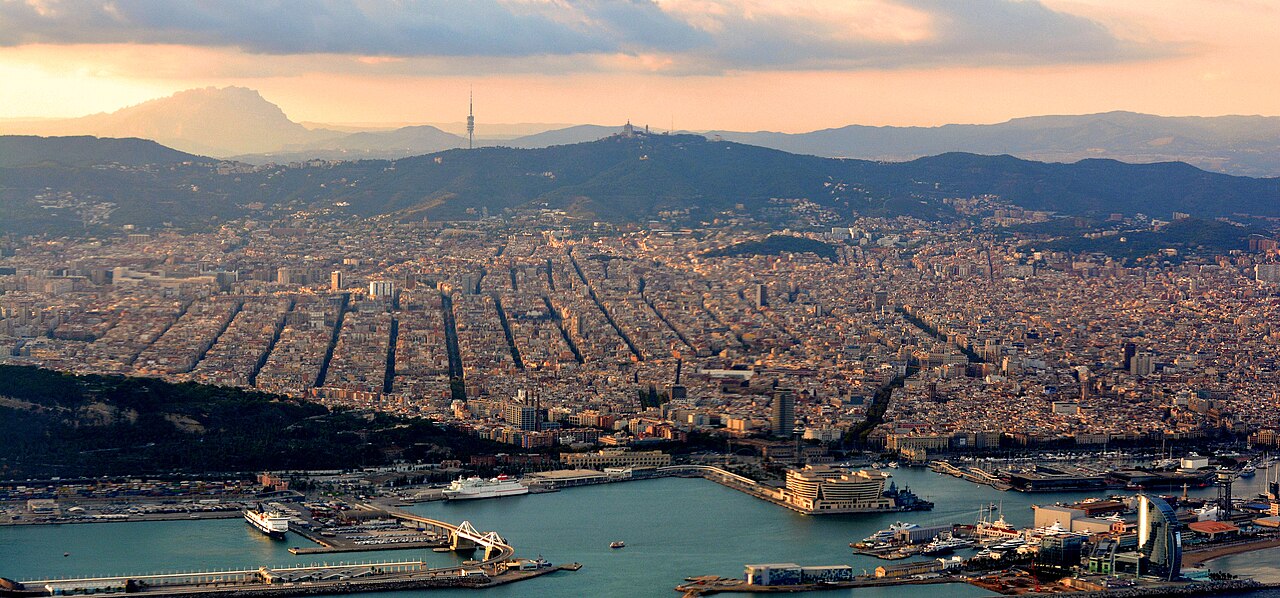
65 kmLeaving behind the jagged silhouette of the sacred mountain and descending toward the immensity of the metropolitan area is an experience that condenses the essence of Catalonia into just one hour of driving. This journey is not merely a 65-kilometer logistical transfer; it is a fascinating visual transition where pine trees and limestone rocks gradually give way to the dense, vibrant urban fabric that defines the Catalan capital.
How to get from Montserrat to Barcelona: quick summary
The most efficient and direct option to cover the 65 km distance between Montserrat and Barcelona is undoubtedly by private vehicle, allowing you to complete the trip in approximately 1 hour without the hassle of transfers. Although public transport is available, the lack of a direct rail connection forces travelers to make complex combinations from the nearest station, Sant Vicenç De Castellet, making the car the primary recommendation for tourists seeking autonomy and speed. For those travelers who prioritize economy over speed and don’t mind dedicating more time to the journey, using secondary roads or looking for intercity bus connections could be an alternative, although the flexibility of a private car dominates this specific route.
Driving from Montserrat to Barcelona
Driving from Montserrat to Barcelona is a straightforward process carried out mainly via toll-free roads, avoiding the additional costs of tolls that often make other access routes to the city more expensive. The route is fundamentally structured around two key road axes that guarantee constant flow: the Northeastern Highway (Autovía del Nordeste, A-2) and the N-152z road. The A-2 acts as the backbone of the journey, offering a well-maintained roadway that facilitates fast circulation from the mountainous area to the plains. For its part, the N-152z, which connects Barcelona with Ripoll, serves as a strategic link in certain sections, allowing for smooth navigation without payment interruptions.
It is important to note that both roads, the A-2 and the N-152z, are toll-free, representing significant savings for the traveler compared to other motorways accessing Barcelona. The total distance of 65 km is covered in an estimated time of 1 hour, provided traffic remains fluid. However, when approaching the urban density of Barcelona, travel times may vary slightly depending on the time of day, especially if entering the city during morning rush hours or at dusk. Signage on these roads is clear, guiding the driver from the natural surroundings of the monastery to the heart of the metropolis.
Recommended stops along the way
The 65-kilometer journey offers multiple opportunities to stop and explore urban centers that serve as gateways to Barcelona or as destinations in their own right. Below, we detail verified stops that enrich your trip:
- Abrera: Strategically located at the start of the descent from the mountains, Abrera is the first logical stop for those looking to stretch their legs just after leaving the Montserrat area. It is an important connection point marking the transition between the Bages region and Baix Llobregat.
- Sabadell: This city, one of the most important in the Vallès Occidental region, offers a perfect stop for those wishing to experience Catalan urban life outside central Barcelona. It is a key industrial and commercial hub on the route toward the northern part of the metropolitan area.
- Terrassa: Neighboring Sabadell, Terrassa complements the offerings of the Vallès area. Stopping here allows you to discover a city with rich Modernist heritage (Modernisme) and a vibrant atmosphere, serving as a restful alternative before entering the congestion of the capital.
- Santa Coloma de Gramenet: Already in the most densely populated zone of Barcelonès, Santa Coloma de Gramenet represents total immersion in the metropolitan area. It is a useful stop for those seeking immediate urban services just before reaching central Barcelona.
- Montcada i Reixac: Known for its logistical and transport importance, Montcada i Reixac is a strategic point on the route. Its location makes it ideal for those needing quick connections or handling errands before finishing the journey in the county capital.
- l’Hospitalet de Llobregat: As the second most populous city in Catalonia and bordering Barcelona, l’Hospitalet de Llobregat is practically an extension of the capital. Stopping here means being already at the heart of the action, with all the infrastructure of a major city available to the traveler.
- Sant Feliu de Llobregat: Capital of Baix Llobregat, Sant Feliu offers a perhaps more residential and tranquil environment compared to the density of Hospitalet. It is a recommended stop for those accessing Barcelona from the south and seeking a reference point in the lower Llobregat River area.
- Pallejà: Also located in the Baix Llobregat region, Pallejà closes the list of verified stops. It is a municipality offering a different perspective, closer to nature within the metropolitan area, ideal for a final pause before reaching your final destination.
Where to Stay in Barcelona
Upon arriving in Barcelona after covering the 65 km from Montserrat, your choice of accommodation will largely depend on your budget and interests, as there is a wide range of prices available. For those who want to be in the heart of the action and don’t mind paying a premium for location, the Eixample and Gothic Quarter (Barrio Gótico) areas offer a wide selection of hotels and apartments, with prices typically ranging from mid to high due to strong tourist demand. On the other hand, if you prefer a more affordable and peaceful stay, away from the immediate hustle but still well-connected, areas like Sants-Montjuïc or even neighboring municipalities such as l’Hospitalet de Llobregat (mentioned earlier as a stop) provide more accessible options.
Accommodation types are highly diverse, ranging from large hotel chains to family-run guesthouses and tourist apartments. It is advisable to book in advance, especially if your trip falls on weekends or during peak seasons, as occupancy in the county capital tends to be high. There is no single price point, but travelers should be prepared for rates that vary significantly depending on proximity to La Rambla or the Sagrada Família. The key is to balance comfort with the cost of daily transport if choosing lodging on the outskirts.
Frequently Asked Questions about the Montserrat–Barcelona Route
How long does it take to get from Montserrat to Barcelona?
The estimated travel time from Montserrat to Barcelona is 1 hour by car, covering a total distance of 65 kilometers via the A-2 and N-152z roads.
Is the train or bus cheaper?
Since there is no direct train between these cities and the nearest station at the origin is Sant Vicenç De Castellet—which requires transfers and adds complexity—the car is usually the most efficient option in terms of time and effort, although the exact cost depends on fuel consumption versus the combined price of public transport tickets.
Is it worth renting a car?
Yes, renting a car is worthwhile if you wish to take advantage of recommended stops along the route such as Sabadell, Terrassa, or Abrera, as the lack of a direct train makes public transport less flexible for exploring these intermediate points at your own pace.
When is the best time to travel?
Considering the journey takes 1 hour and passes through dense metropolitan areas like l’Hospitalet and Santa Coloma, it’s best to avoid peak commuting hours for entering and leaving work to ensure the 1-hour travel time remains consistent and isn’t affected by traffic congestion on the A-2 or N-152z.
📍 También te puede interesar
Qué ver en Montserrat →
Qué ver en Barcelona →