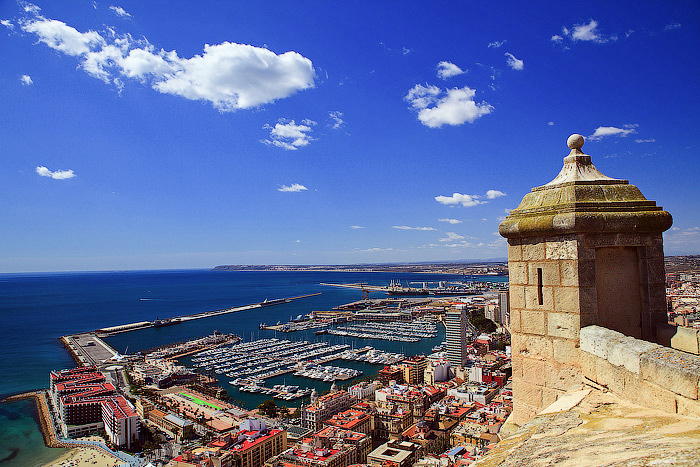
Altea → Alicante
57 kmBarely 57 kilometers separate Altea from Alicante, but the journey packs in some of the most cinematic landscapes on the Costa Blanca. The Mediterranean highway winds between cliffs, hidden coves, and whitewashed villages that invite you to pull over every few kilometers. If you enjoy driving with the windows down and the scent of sea spray in the air, this route will win you over.
How to get from Altea to Alicante: quick overview
The road distance between Altea and Alicante is 57 km and takes about 45 minutes by car via the A-7. For road-trip lovers, driving is the most comfortable and flexible option, especially if you plan to stop in Benidorm, Villajoyosa, or Campello. For those who prefer to leave the wheel behind, ALSA operates a direct bus with a journey time of 70 minutes and fares ranging from 4 to 8 euros. There is no direct train between the two cities, nor are there commercial flights connecting these points on the Costa Blanca.
If you want flexibility and the freedom to explore the coast at your own pace, a rental car is the best choice. If price and convenience are your priority, the bus covers the route efficiently. The train is not a viable option on this route.
By car from Altea to Alicante
The drive between Altea and Alicante covers 57 km in approximately 45 minutes via the highway. The route runs mainly along the A-7, known as the Autovía del Mediterráneo (Mediterranean Highway; Autovia de la Mediterrània in Valencian), a toll-free road that runs the length of Spain’s Mediterranean coast and offers spectacular sea views for much of the journey.
From Altea, take the A-7 southbound, passing through the coastal towns of the Marina Baixa region. This highway has two lanes in each direction along most stretches and features well-equipped service areas. Traffic is usually smooth except in July, August, and during holiday long weekends, when the flow of tourists to and from Benidorm can cause occasional slowdowns.
For those who prefer a more inland route, the A-31, Autovía de Alicante (Alicante Highway; Autovia d’Alacant), is another toll-free alternative that connects to the provincial capital from the interior. This option can be useful if you are coming from areas such as Alcoy or Elda and want to link directly with Alicante.
In both cases, the two highways are free, making this one of the most economical routes on the Mediterranean coast for traveling by private or rental car. We recommend leaving Altea with a full tank, as gas stations along the coastal stretch tend to be more expensive.
By bus from Altea to Alicante
ALSA connects Altea with Alicante via a direct bus service lasting approximately 70 minutes, with tickets ranging from 4 to 8 euros depending on the schedule and how far in advance you book. The company is the go-to option for intercity travel in the Valencian Community and has an intuitive app where you can check frequencies and reserve seats.
Buses depart from the Altea bus station and arrive at the Alicante bus station, located near the city center with tram and urban bus connections. Frequencies are higher during the summer months and on weekdays, with departures early in the morning and late in the afternoon.
To save on your ticket, it’s best to book at least a week in advance and avoid traveling during peak hours (between 7 and 9 in the morning). On weekends and public holidays, the service may run less frequently, so it’s important to check the ALSA website before planning your trip.
Recommended stops along the way
The route between Altea and Alicante offers some of the most vibrant towns on the Costa Blanca. Each one deserves a stop to stretch your legs, grab a coffee facing the sea, or discover an unexpected corner.
la Nucia
A few kilometres inland from Altea, La Nucia is a quiet municipality known for its sports facilities and natural surroundings. It is ideal for a short stop if you are looking for fresh air before continuing towards the coast.
Benidorm
It is impossible to skip Benidorm on this route. Its skyscrapers, urban beaches, and lively day and night scene make it a must-stop. Those looking for a rice dish by the sea or a stroll along the Paseo de Levante will find endless options here just 20 minutes from Altea.
la Vila Joiosa / Villajoyosa
Also known as Villajoyosa, this town stands out for its colourful houses lined up facing the sea and its chocolate-making tradition. A perfect stop to visit an artisan chocolate factory or take a walk through the old town with its Mediterranean flavour.
el Campello
Close to Alicante, El Campello offers less crowded beaches and a charming fishing port. It is ideal for those who want to enjoy a quiet swim or taste fresh fish before reaching the capital.
Mutxamel
A few kilometres from Alicante, Mutxamel is known for its rich agricultural tradition and for being a production area for Jijona turrón (nougat). Its surroundings invite a countryside break among almond trees.
Sant Joan d’Alacant
A residential municipality with good connections and accessible beaches, Sant Joan d’Alacant is a practical option for those seeking quieter accommodation near Alicante without giving up proximity to the capital.
Sant Vicent del Raspeig / San Vicente del Raspeig
The last stop before reaching Alicante, San Vicente del Raspeig is famous for its university and its tapas routes. It is worth making a short detour to try the local cuisine in one of its bars.
Where to stay in Alicante
Alicante offers accommodation for every budget and travel style. The Postiguet area and the old town are ideal for those who want to be right by the beach and close to the main monuments, with boutique hotels and apartments with sea views. The San Antonio neighbourhood concentrates more affordable options, with hostels and guesthouses well connected by tram.
For long stays or family trips, the beach areas of San Juan and Albufereta have resorts, hotels with pools, and holiday apartments at good prices, especially if booked in advance. Prices range from 50 euros per night in more basic options to 150-200 euros in beachfront hotels in high season.
We recommend booking at least a month in advance if travelling in July or August, as Alicante is one of the most in-demand tourist destinations on the Spanish Mediterranean.
Where to eat along the route
The province of Alicante boasts one of the most celebrated cuisines on the Mediterranean arc. Those who travel this route have the chance to taste unique dishes found only in this land.
Arroz a banda
A dry, seafood-style rice cooked with fish and shellfish stock. It is traditionally served in two stages: first the fish with potatoes, then the rice. It is one of the most iconic dishes of the Alicante coast.
Arroz con costra
Typical of the province’s interior, this is a brothy rice baked with a layer of beaten egg on top, creating a golden crust. It contains meats such as longanizas and butifarras. A hearty dish that wins over anyone who tries it for the first time.
Olleta Alicantina
A substantial stew of legumes (mainly white beans), vegetables such as pumpkin and Swiss chard, and meats. It is a spoon dish ideal for the colder months, though it is served year-round in traditional restaurants.
Turrón de Jijona
A Christmas sweet with a soft texture, made mainly from ground almonds, honey, and sugar. It melts in the mouth, releasing an intense almond flavor. Although it is typical of Christmas, it can be found all year round in bakeries and specialty shops.
Fondillón
A naturally sweet wine unique in the world, made from overripe Monastrell grapes and aged for many years in large barrels. It offers complex flavors of nuts and spices. A glass that sums up centuries of Alicante winemaking tradition.
Frequently asked questions about the Altea-Alicante route
How long does it take to get from Altea to Alicante?
By car, the journey takes approximately 45 minutes covering the 57 km along the A-7. By bus with ALSA, the duration is around 70 minutes. There is no direct train between the two cities.
Which is cheaper, the train or the bus?
The bus is the most economical option and, moreover, the only viable one, since there is no direct train. ALSA ticket prices range from 4 to 8 euros depending on the schedule and how far in advance you book, a very competitive fare for this route.
Is it worth renting a car?
Yes, it is worth it if you want to explore stops such as Benidorm, Villajoyosa, or Campello with total freedom. However, if you are only traveling between Altea and Alicante without detours, the direct 70-minute bus is sufficient and more economical.
When is the best time to travel?
The best time to travel this route is between April and June or from September to October, when the weather is warm but traffic is lighter. July and August attract more tourists and can cause congestion on the A-7, especially on weekends.
📍 También te puede interesar
Qué ver en Altea →
Qué ver en Alicante →