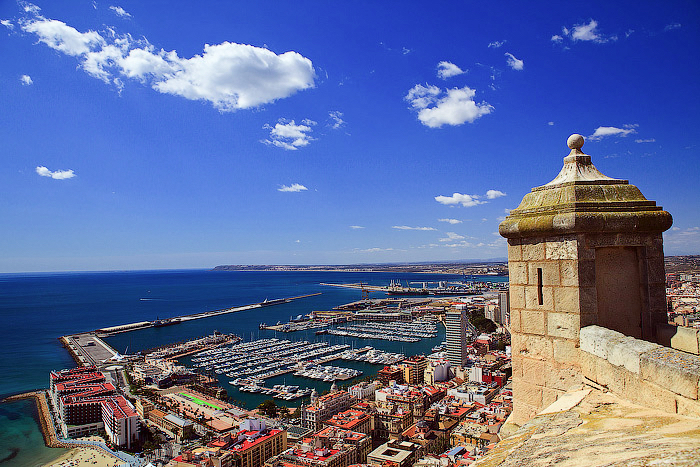
Valencia → Alicante
166 kmHow to get from Valencia to Alicante: a quick overview
The fastest and most comfortable way to connect Valencia and Alicante is by train, although driving offers total freedom to explore the coast. For the budget-conscious traveller, the bus is unbeatable with fares starting from €6, while driving along the toll-free motorway is ideal for those carrying bulky luggage or wanting to enjoy a road trip.
This 166-kilometre route is one of the busiest corridors in the Valencian Community (Comunidad Valenciana), linking two provincial capitals that share a climate, gastronomy, and that unmistakable Mediterranean light. You have three main options on the table: a private vehicle, the railway operated by Renfe, or bus transport. If your priority is pure speed and avoiding traffic jams, the MD train will get you there in just over two hours. If you prefer to set your own pace and stop in charming villages, the road is your best ally. For tight budgets or solo travellers, the bus network offers excellent frequency for very little money.
Driving from Valencia to Alicante
Driving from Valencia to Alicante will take you approximately 1 hour and 45 minutes, covering 166 kilometres on a completely toll-free motorway network. The main route runs right by the sea, offering constant views of the Mediterranean and crossing one of Spain’s most dynamic agricultural and tourist areas.
The backbone of this journey is the A-7 (Autovía del Mediterráneo), a fast road that skirts the coast and, fortunately for your wallet, has no tolls on this stretch. Depending on your exact departure point in Valencia, you may initially take the A-3 (Autovía del Este) or the A-38 to connect with the main artery. Once you enter the province of Alicante, the A-31 (Autovía de Alicante) becomes the direct access route into the city.
As there are no toll costs on any of these roads (A-7, A-31, A-3, A-38), the only real expense will be fuel. It is a very straight and well-signposted route, which reduces stress behind the wheel. However, bear in mind that in the summer months or at weekends, traffic can increase considerably due to coastal tourism, so that estimated time of 1h 45min could be affected if you leave at peak times. It is advisable to check traffic conditions before setting off, especially on the approaches to the urban areas of both cities.
By train from Valencia to Alicante
The train is the most balanced option between comfort and time, with 13 daily connections operated by Renfe that let you forget about driving. The journey runs from the historic Valencia-Estació Del Nord station, an iconic Modernista building, to the destination station of Sant Vicent Centre.
It’s important to pay attention to the type of train you choose, as journey times vary slightly. The fastest option is the MD (Media Distancia) train, with 5 services a day covering the route in just 127 minutes. It is followed closely by the EUROMED, with 4 daily trains and a journey time of 137 minutes, known for its greater onboard comfort. If you’re looking for cheaper options or specific timetables, the REG. EXP. trains (2 a day, 148 minutes) and the Intercity (2 a day, 152 minutes) are available.
The frequency is quite good, with the first train leaving at 6:30 a.m. and the last at 21:19, giving you plenty of leeway to plan your day. One crucial detail to bear in mind is that the arrival station is Sant Vicent Centre, not Alicante-Término station right in the city centre. This means that, when you get off the train, you may need additional transport (such as a taxi or local bus) to reach the centre of Alicante or the beach area, depending on where you’re staying. In return, you avoid the traffic entering the city and enjoy a relaxed journey where you can read or work for more than two hours.
By bus from Valencia to Alicante
The bus is unquestionably the cheapest way to travel between these two cities, with fares ranging from 6 to 9 euros per journey. The main companies operating this route are Alsa and FlixBus, guaranteeing a regular and reliable service.
The bus journey takes approximately 120 minutes, which curiously makes it a very competitive door-to-door option time-wise when you compare the car journey with the waiting time and access to train stations. As it is a direct service, you won’t have to change, although the bus may make a brief technical stop depending on the company and the time of day.
This option is ideal for students, backpackers, or travellers who prioritise saving money. The buses usually have air conditioning and luggage space in the hold, which is very useful if you’re carrying large suitcases. Given that the price is so low (range of €6–9), even if you need to take a taxi upon arriving at Alicante bus station, the total cost of the trip will still be lower than the train or the expense of petrol and wear and tear on your own car.
Recommended stops along the way
If you decide to drive, the route is dotted with towns full of character that are well worth a pause to stretch your legs or enjoy a coffee. Here are the verified stops to enrich your journey:
- Alcàsser: Strategically located on the route, this town is famous beyond its borders for its gastronomy, especially its cured sausages (embutidos). It is a perfect spot for a quick pit stop if you leave Valencia early and need a hearty breakfast before continuing south.
- Massanassa: Just south of Valencia, Massanassa is a municipality that has grown considerably but retains an accessible town centre. It is an ideal stop if you want to leave the A-7 motorway briefly to avoid a potential traffic jam or simply to change scenery in a more residential and tranquil environment.
- Catarroja: Known for its historical heritage and its proximity to the Albufera lagoon, Catarroja offers an interesting contrast between village life and closeness to the big city. Stopping here allows you to soak up a more local and less touristy atmosphere than that of the immediate coast.
- Mutxamel: Already entering the province of Alicante, Mutxamel is a town with a rich history overlooking the plain. It is an excellent choice for those looking to avoid the crowds of the beachfront but still want to be just a few minutes from the sea. Its old town invites a short, leisurely stroll.
- Sant Joan d’Alacant: This town is one of the most attractive stops if you are travelling in summer, as it boasts very popular beaches and a festive atmosphere. Stopping in Sant Joan allows you to see the sea up close and understand the definitive transition to the purely Alicante climate and landscape before reaching the capital.
- El Campello: Located just before Alicante, El Campello is famous for its seafront promenade and its marina. It is the perfect stop at the end of the car journey; you can park, take a walk by the water, eat a good rice dish (arroz), and then drive the last few kilometres into central Alicante with a full stomach and feeling relaxed.
Where to stay in Alicante
Alicante offers a variety of areas to stay that suit different travel styles, from urban bustle to coastal tranquillity. As there are no specific hotel data, we recommend searching for accommodation based on the following key neighbourhoods.
The Old Town (Centro Histórico) is the preferred area for tourists who want to be close to the action. Here you will find pedestrian streets, shops, tapas bars, and proximity to Santa Bárbara Castle. It is ideal if you arrive by train or bus and do not want to depend on a car to get around the city. Prices here tend to be higher, especially in high season, but the experience of sleeping in the heart of the city is priceless.
On the other hand, the Explanada and Port area is perfect for sea lovers. Staying near the seafront promenade allows you to wake up with views of the Mediterranean and have El Postiguet beach just a stone’s throw away. It is a more open and luminous area, ideal for morning walks. If you are travelling by car, make sure your accommodation offers parking or is close to a public car park, as the centre may have restricted traffic zones.
Finally, if you are looking for something quieter and more affordable, the residential areas on the outskirts of the centre, but well connected by tram or bus, are a great option. Alicante is a very walkable city, so staying 15 or 20 minutes’ walk from the centre can save you a fair amount on your hotel bill.
Frequently asked questions about the Valencia-Alicante route
How long does it take to get from Valencia to Alicante?
Travel time varies depending on the mode of transport chosen. By car, the 166 km journey takes approximately 1 hour and 45 minutes via motorway. By train, the fastest option (MD) takes 127 minutes, while the bus completes the trip in 120 minutes. Keep in mind that these are pure journey times and do not include access to stations or urban traffic.
Which is cheaper, the train or the bus?
The bus is undoubtedly the most economical option. According to data from companies like Alsa and FlixBus, prices range between 6 and 9 euros. The train, operated by Renfe, usually has higher fares that vary depending on how far in advance you book and the type of train (MD, Euromed, etc.), so for tight budgets, the bus is the top recommendation.
Is it worth renting a car?
Renting a car is worth it if your goal is to visit intermediate stops such as El Campello, Mutxamel, or Sant Joan d’Alacant, or if you are carrying a lot of luggage. The route is toll-free (no tolls on the A-7 and A-31) and fast. However, if you are only going to be in central Alicante, public transport is sufficient and you will avoid parking hassles.
When is the best time to travel?
The best time to travel depends on your preferences. To enjoy coastal stops like El Campello and for beach tourism, summer is ideal, although there will be more traffic on the A-7. If you prefer to avoid crowds and take advantage of low bus or train fares, the spring and autumn months are perfect, with mild weather and less congestion on roads and at stations.
📍 También te puede interesar
Qué ver en Valencia →
Qué ver en Alicante →