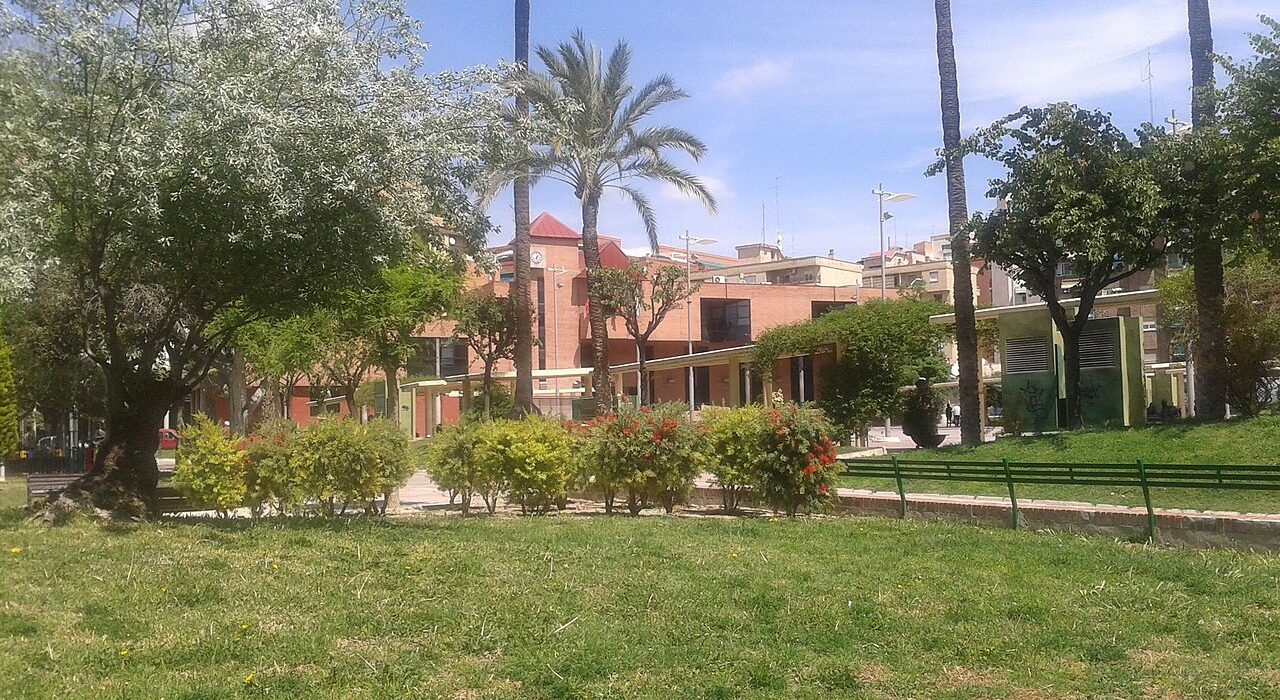
Molina de Segura
Región de MurciaClimate
More than 150 years ago, the skies over this town in Murcia witnessed the fall of the largest meteorite ever recorded in Spain, an event you can now explore firsthand as you walk its streets. Molina de Segura is not just a stopover on the way to the coast; it is the capital of the Vega Media del Segura, a place where the Islamic history of its walls blends with the citrus scent of a fertile orchard that has fed the region for centuries. With a population of around 78,458, this city offers a perfectly human scale for getting lost among its industrial heritage and traditions without the crowds of the major tourist hubs.
The must-seesWhat to see in Molina de Segura: the must-sees
The city offers a unique blend of medieval history and agricultural landscape that defines its identity. Here are the key spots you cannot miss, based on verified data about its heritage.
Museo del Enclave de la Muralla (MUDEM) and the Medieval Wall
This is the historic heart of the city, where the remains of the old Andalusian Ḥiṣn Mūlina are protected — a defensive enclave that operated between the 11th and 16th centuries. The highlight is how the museum integrates a 125-meter stretch of wall, originally part of a fortification 8 meters high and 2 meters wide, with interactive technologies that immerse you in everyday medieval life. To visit it, keep in mind that opening hours are Tuesday to Sunday with split afternoon schedules, remaining closed on Mondays, so planning your itinerary in advance is essential. The original site had defensive towers every 20 meters and a moat 7 meters wide, details that help you grasp the strategic importance this place held as the gateway to Murcia.
Hisn Mulina (Castle)
The monumental remains of this medieval Islamic enclave are integrated into the Castillo neighborhood, offering a direct look at the defensive architecture of the period. The wall, which reached about 8 meters in height, was protected by a moat 3 meters deep and had at least two access gates to control movement. Today, part of this historic structure is preserved within the MUDEM Museum, on the former site of the Maximino Moreno factory, allowing you to see in situ how modern industry was superimposed on ancient history.
Vega Media del Río Segura
The region is strategically located between the Ricote Valley and the Huerta de Murcia, taking advantage of the left bank of the Segura River for its development. This area is primarily devoted to irrigated farming of citrus fruits and vegetables, a green landscape that contrasts with the urban surroundings and forms the basis of the powerful local canning industry. Exploring the surrounding area helps you understand why Molina is considered the natural capital of this middle valley, enjoying a view that has remained relatively unchanged in its agricultural essence.
Other points of interest
- Iglesia Nuestra Señora de la Asunción: A 16th-century Renaissance-style building located in the old town, notable for its main chapel with the Arco de Casetones and a tower built between 1930 and 1932.
- Sala del Meteorito: An educational and interactive space within the Museo del Enclave de la Muralla that pays tribute to the largest meteorite to have fallen in Spain.
- Casa Cárcel: A late 19th-century building designed by Justo Millán Espinosa on a promontory with Chalcolithic archaeological remains, notable for the color of its façade.
- Chimeneas Industriales: Industrial heritage representing local progress, especially the Hernández Pérez Chimney at the La Molinera canning factory.
- Mirador del Castillo: Located in the historic center above the old Hisn Mulina enclave, it offers views over the huerta, the Bad-Lands, and the Vega del Río Mula.
- Noria de Riego Antigua, Monumento Doctor Antonio Castillo, and Plaza Doctor Joaquín Chazarra: Points of interest that complete the city’s heritage trail.
🍂 Otoño
Si visitas Molina de Segura en otoño, el clima se mantiene suave hasta noviembre según las mejores épocas recomendadas. Es ideal para visitar sus museos y centros culturales sin las aglomeraciones del verano. Viste por capas para adaptarte a los cambios de temperatura entre el día y la noche.
What to do in Molina de Segura
Molina de Segura offers deeply rooted cultural and festive activities that let you connect with local life beyond a static tourist visit. You can take part in the Romería de la Virgen de los Ángeles (Pilgrimage of the Virgin of the Angels) in May, a massive pilgrimage that ends with an open-air mass, or immerse yourself in history during the Mercado Medieval (Medieval Market) in December, when the historic center is transformed with craft stalls and performances. If you visit the city in September, the Fiestas Patronales (Patron Saint Festivities) in honor of the Virgen de los Ángeles fill the streets with processions and open-air dances, while in February the Carnaval brings parades of comparsas and murgas (satirical street performance groups). For a quieter experience, wandering through neighborhoods like San Antonio offers a rural, peaceful glimpse of the city, far from the commercial bustle.
Molina de Segura in one day: express itinerary
If you’re short on time, this route lets you see the essentials of the city’s history and landscape in a single full day.
- 10:00 AM – Museo del Enclave de la Muralla (MUDEM): Start here to understand the history of Ḥiṣn Mūlina and see the remains of the medieval wall with interactive technology before the midday heat arrives.
- 12:30 PM – Mirador del Castillo and Iglesia San Juan Bautista: Head up to the historic quarter to enjoy views over the huerta (irrigated farmland) and the Bad-Lands from the old defensive enclave.
- 14:30 PM – Lunch in the Old Town: Set aside lunchtime to try zarangollo or arroz y conejo (rice with rabbit) in the bars of the city center, where the atmosphere is calm yet authentic.
- 17:00 PM – Industrial Chimneys Route: Walk toward Plaza de la Molinera to see the Chimenea de Hernández Pérez and the Semiramis work by Pepe Yagües, connecting with the industrial past of La Molinera.
- 19:00 PM – Stroll through Vega Media: End the day by heading to the banks of the Segura River to see the citrus crops that have made the region famous.
Where to eat in Molina de Segura: local gastronomy
Where to stay in Molina de Segura
Casco Antiguo
Es el núcleo histórico de la ciudad donde se concentran los monumentos principales y la administración local. El ambiente es tranquilo durante el día y se anima con el paso de residentes en las horas comerciales tradicionales.
El Olivar
Barrio residencial consolidado conocido por su zona verde homónima que sirve de pulmón para los vecinos. Es una zona principalmente dormitorio con poco atractivo turístico específico más allá de la vida local cotidiana.
La Milagrosa
Zona de expansión urbana con bloques de viviendas y equipamientos educativos y deportivos. Su carácter es eminentemente funcional y residencial, careciendo de infraestructura hotelera o de ocio para visitantes.
San Antonio
Área tradicionalmente vinculada a la ermita de San Antonio Abad y zonas de huerta periurbana. Ofrece una visión más rural y silenciosa de la ciudad, alejada del bullicio del centro comercial.
El Carmen
Barrio residencial que creció alrededor de la antigua estación de ferrocarril y la industria conservera. Mantiene una estructura de calles rectas típica de los ensanches obreros de principios del siglo XX.
Polígono Industrial Campollano / Zona Comercial
Aunque es un área industrial y logística, concentra la mayor oferta de restauración rápida y grandes superficies de la ciudad. No es un barrio residencial ni turístico, pero es el punto de encuentro para compras y comida informal.
How to get to Molina de Segura
The city is well connected by public and private transport, although it’s important to know the specific options to plan your trip.
| Medio | Detalles | Nota |
|---|---|---|
| Tren | Estación de Alguazas-Molina | Sin servicio AVE directo en la estación local. |
| Avión | Aeropuerto AeroCieza | Opción aérea regional más cercana. |
| Autobús | Transporte urbano y regional | Conexión con otras ciudades de la región. |
How to get around Molina de Segura
To get around within the municipality, the main option is the urban bus, which connects the different neighborhoods and pedanías (outlying districts) with the central core. Given that the municipal area covers 169.5 km² and includes 14 pedanías such as Romeral or Torrealta, public transport is essential if you don’t have a private vehicle to reach the more scattered areas.
Weather in Molina de Segura
Best time to visit Molina de Segura
Day trips from Molina de Segura
As the capital of the Vega Media del Segura region and seat of the judicial district, Molina de Segura is a strategic point for exploring other cities in the region. Its location between the Ricote Valley and the Huerta de Murcia makes it an excellent base for visiting the surrounding area. You can organize routes to the main cities of the Region of Murcia, taking advantage of the rail connection at Alguazas-Molina station or road transport to discover the area’s heritage.
Things you didn’t know about Molina de Segura
There are fascinating facts about this city that often go unnoticed by the casual visitor.
The city’s name comes from the Arabic word ‘Mulina’, meaning ‘mill’, due to the large number of hydraulic mills that existed in the area harnessing the waters of the Segura River during Muslim rule.
Molina de Segura is home to the Museo de la Seda (Silk Museum), unique in the Region of Murcia and one of the few in Spain dedicated exclusively to recovering and showcasing the complete process of silkworm breeding and weaving, inherited from the Morisco tradition.
The town hosts the Tomás Luis de Victoria International Music Festival, one of the longest-running and most prestigious classical and choral music competitions in southeastern Spain, held annually for decades.
In the 18th century, Molina de Segura was a key military strategic point during the War of the Spanish Succession, serving as headquarters for Bourbon troops before the conquest of Murcia in 1706.
The modernist poet Ricardo Molina, winner of the National Literature Prize in 1952 and considered one of the most important sonneteers of post-war Spain, was born in this town in 1917.
Geographically, the municipality extends over a fertile floodplain crossed by the Segura River, with an average altitude of approximately 64 meters above sea level, which has historically favored its irrigated agriculture.
The Iglesia Parroquial de Santa María de Gracia (Parish Church of Santa María de Gracia), originally built in the 16th century and later renovated, houses the image of the patron saint, the Virgen de los Dolores (Our Lady of Sorrows), whose devotion is the focus of the main festivities in September.
During the Middle Ages, the town was known as ‘Molina de los Caballeros’ (Molina of the Knights) after its reconquest, distinguishing itself from other towns of the same name through its belonging to the Order of Santiago in certain historical periods.
Who Molina de Segura is for
Molina de Segura is an ideal destination for travelers seeking authenticity and culture without the crowds of sun-and-beach tourism. It is perfect for history lovers interested in the Andalusian period and military architecture, as well as foodies who want to try true Murcian huerta cuisine. Families will also find a safe and tranquil environment, especially in neighborhoods like El Olivar or La Milagrosa, while cultural travelers will enjoy the museums and classical music festivals.
💡 ¿Sabías que...?
- ● El nombre de la ciudad proviene de la palabra árabe 'Mulina', que significa 'molino', debido a la gran cantidad de molinos hidráulicos que existían en la zona aprovechando las aguas del río Segura durante la dominación musulmana. (Ayuntamiento de Molina de Segura - Historia)
- ● Molina de Segura alberga el Museo de la Seda, único en la Región de Murcia y uno de los pocos en España dedicado exclusivamente a recuperar y mostrar el proceso completo de la cría del gusano de seda y su tejido, heredado de la tradición morisca. (Museo de la Seda de Molina de Segura)
- ● La localidad es sede del Festival Internacional de Música 'Tomás Luis de Victoria', uno de los certámenes de música clásica y coral más longevos y prestigiosos del sureste español, celebrado anualmente desde hace décadas. (Festival Internacional de Música Tomás Luis de Victoria)
- ● En el siglo XVIII, Molina de Segura fue un punto estratégico militar clave durante la Guerra de Sucesión Española, llegando a ser cuartel general de tropas borbónicas antes de la conquista de Murcia en 1706. (Archivo Municipal de Molina de Segura / Historiografía local)
- ● El poeta modernista Ricardo Molina, ganador del Premio Nacional de Literatura en 1952 y considerado uno de los sonetistas más importantes de la posguerra española, nació en esta localidad en 1917. (Real Academia Española / Biografías literarias)
- ● Geográficamente, el término municipal se extiende sobre una vega fértil atravesada por el río Segura, con una altitud media de aproximadamente 64 metros sobre el nivel del mar, lo que ha favorecido históricamente su agricultura de regadío. (Instituto Geográfico Nacional (IGN))
- ● La Iglesia Parroquial de Santa María de Gracia, construida originalmente en el siglo XVI y reformada posteriormente, custodia la imagen de la patrona, la Virgen de los Dolores, cuya devoción centra las fiestas mayores en septiembre. (Diócesis de Cartagena / Ayuntamiento de Molina de Segura)
- ● Durante la Edad Media, la población fue conocida como 'Molina de los Caballeros' tras su reconquista, diferenciándose de otras localidades homónimas por su pertenencia al orden de Santiago en ciertos periodos históricos. (Crónicas de la Orden de Santiago / Historia de la Región de Murcia)
Frequently asked questions about Molina de Segura
How many days do I need to see Molina de Segura?
One full day is enough to visit the must-sees such as the MUDEM, the Mirador del Castillo (Castle Viewpoint) and enjoy the local gastronomy, although if you want to explore the 14 pedanías (outlying districts) or attend festivals, you could extend it to two days.
What is the best time of year to visit Molina de Segura?
According to climate data, the best time is from March to November, avoiding the summer heat (26.9°C on average) and taking advantage of the mild weather to explore the Vega Media del Río Segura (central fertile valley of the Segura River).
How do I get to Molina de Segura from Madrid?
You can get there by train to the Alguazas-Molina station (no direct AVE in Molina) or by car. AeroCieza airport is also available for regional air connections.
Where can I find updated information on opening hours?
To check museum opening hours, the festival calendar and tickets, I recommend visiting the official tourism website of Molina de Segura.