Madrid → Fuerteventura
How to Get from Madrid to Fuerteventura: A Quick Overview
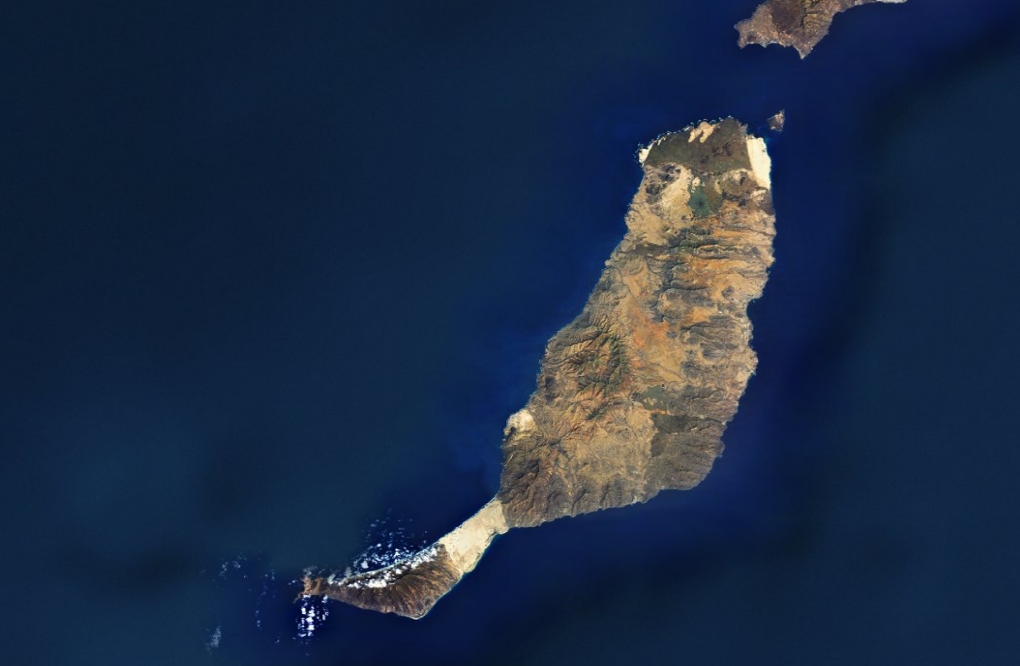
The journey between Spain’s capital and the island of Fuerteventura can only be made by plane or by combining road and ferry travel, as there is no direct land connection to this island territory. The fastest and most common option is a direct flight, which takes around 2 hours and 45 minutes on average.
When planning your getaway to the Canary Islands, it’s essential to understand that there are no motorways or trains crossing the Atlantic Ocean. Below, we offer a clear comparison of the actual transport options available for this route, based on current services.
| Medio | Duración | Precio aprox. | Frecuencia |
|---|---|---|---|
| Avión (Directo) | 165 min (2h 45min) | 25€ – 240€ | ~3 vuelos/día |
| Ferry (Desde Cádiz) | Larga duración | 29€ – 115€ (pasajero) | Variable |
The best travel choice depends entirely on your profile. If you’re short on time and value efficiency, flying is the only logical option, linking Madrid-Barajas with Fuerteventura in under three hours. If price is your priority and you’re travelling light, Ryanair’s fares can be unbeatable, starting from 25€. On the other hand, if you want complete freedom to explore the island and need your own vehicle, the ferry is the alternative, though you’ll first need to make your own way to the port of Cádiz.
Madrid to Fuerteventura by Plane
A direct flight is the most efficient way to connect the mainland with the island, operated mainly by airlines such as Iberia and Ryanair, with flight times ranging from approximately 2 hours and 35 minutes to 2 hours and 45 minutes. This air route is very popular, with around 3 flights a day, offering flexibility when planning your schedule.
Flights depart from Adolfo Suárez Madrid-Barajas Airport (IATA code: MAD) and land at Fuerteventura Airport (IATA code: FUE). Iberia operates several direct daily flights, identifiable by codes such as IB1521 or IB1525, providing a regular service. Ryanair, meanwhile, is a highly competitive option on this route, especially if you’re looking for budget fares, with prices starting from 25€ in the low season.
In terms of cost, the price range is broad, varying from 25€ to 240€. It’s worth noting that the upper end of this range (240€) usually corresponds to specific high-season offers, such as in December, or fares with stopovers, as direct flights tend to remain more affordable when booked in advance. Once you land at Fuerteventura Airport, you’ll find yourself a short distance from the main tourist hubs. The journey from the airport to the centre or the hotel areas can be made by rental car, taxi, or bus, and it’s a quick trip that typically takes no more than 10 to 15 minutes by road to nearby spots like Puerto del Rosario.
By ferry to Fuerteventura
The ferry is the right choice for those wishing to bring their own vehicle, although the ship does not depart from Madrid; you first need to make your way to the port of Cádiz on the mainland. The shipping company Baleària operates this maritime route, connecting the south of the Iberian Peninsula with the Canary Islands.
The point of embarkation is the port of Cádiz and the point of disembarkation is Puerto del Rosario in Fuerteventura. It is crucial to bear in mind that, as no specific data on the exact duration in minutes is available, you should consider this a long-distance sea crossing that requires logistical planning. The frequency of departures is not specified in the current data, so it is advisable to check directly with the shipping company for exact sailing times.
In terms of cost, the price per foot passenger ranges from €29 to €115. This option is appealing if you are already in the south of Spain or planning a road trip to Cádiz before boarding. A significant advantage of this route is that it allows you to take your car on board, a decisive factor for many travellers who prefer not to depend on vehicle hire at their destination. According to the verified data, there are no alternative ports from the mainland for this specific route, making Cádiz the main maritime gateway from the continent.
Plane or ferry: which suits you best?
The choice between plane and ferry depends on whether you prioritise speed or the need to bring your own car. The plane wins on time, while the ferry is the only solution for taking your vehicle. If you analyse the total door-to-door time, the plane is unbeatable: in less than 3 hours you are on the island, whereas the ferry option involves first travelling to Cádiz and then a long sea crossing.
In terms of price, the plane can be surprisingly affordable, with fares from €25 with Ryanair, which often works out cheaper than the combined cost of petrol to Cádiz plus the ferry ticket. However, the deciding factor is usually luggage and mobility. If you are travelling with a lot of luggage or bulky water sports equipment, the plane can become more expensive due to baggage fees, while the ferry offers greater loading flexibility. That said, if your plan is to explore every corner of the island with your own car, the ferry is the only viable option, as hiring a car in Fuerteventura is the alternative if you choose to fly.
Taking your car on the ferry
Taking your car on the ferry is possible with the shipping company Baleària, allowing you to enjoy total mobility on the island as soon as you disembark in Puerto del Rosario. To do this, you must head to the port of Cádiz, where the vehicle check-in procedures are carried out. It is essential to arrive at the port well in advance to complete the car check-in formalities and secure your space in the ship’s hold.
The process involves an additional cost on top of the passenger ticket, although the specific price for the vehicle is not detailed in the base range of €29-€115 (which applies to foot passengers). You should bear in mind that the travel time increases considerably with this option, turning the journey into a long-haul maritime experience rather than a simple transfer. Once in Fuerteventura, your car will be immediately available to explore the island’s beaches and villages without the need to arrange hire cars or additional insurance at your destination.
Where to Stay in Fuerteventura
To choose where to stay in Fuerteventura, it’s best to pick an area based on the type of vacation you’re looking for, as the island offers everything from peaceful settings to lively nightlife zones. Although we don’t list specific hotels, the recommended areas to stay are typically Corralejo, in the north, known for its dunes and vibrant atmosphere; the Jandía area in the south, perfect for long beaches and resorts; and Puerto del Rosario, which is more urban and close to the airport.
As for accommodation types, the island boasts a wide range, from tourist apartments and private villas to hotels of all categories. Price ranges vary greatly depending on the season. In spring and autumn, prices are more moderate, while in summer and Christmas, demand drives rates up. It is advisable to look for accommodation with a kitchen if you plan to make the most of local produce, or to choose all-inclusive hotels if you seek total comfort close to the swimming areas.
What to Eat in Fuerteventura
Fuerteventura’s cuisine reflects its island culture, featuring traditional dishes such as Queso Majorero (Majorero cheese), papas arrugadas con mojo (wrinkled potatoes with mojo sauce), and carne de cabra estofada (goat stew). Queso Majorero is perhaps the most emblematic product; it is a goat’s milk cheese with a Designation of Origin, characterized by an intense, slightly spicy flavor that is a must-try.
Another staple of the Canarian diet you cannot miss is papas arrugadas con mojo. These are small local potatoes boiled in heavily salted water until their skins wrinkle, traditionally served with red pepper sauce (mojo rojo) or coriander sauce (mojo verde). For more adventurous palates, carne de cabra estofada is a traditional, deeply flavorful dish where the meat is slow-cooked until extremely tender. Finally, gofio escaldado is a comforting option; it is a fish or meat broth mixed with gofio, a toasted cereal flour, until it forms a thick, nourishing cream. The average price per person in a local restaurant can vary, but these dishes are generally affordable and represent the essence of the island.
Best Time to Go
The best time to travel to Fuerteventura is during spring and autumn, when the weather is pleasant and the crowds are smaller. During these months, temperatures are ideal for enjoying the beaches and outdoor activities without the extreme heat of summer or the stronger winds of certain winter periods.
It is important to consider the nuances of the high season. In summer, flights and ferries to the islands tend to fill up quickly and prices rise considerably, both for transport and accommodation. If you travel in December, as mentioned in the flight data, you may encounter higher rates, so booking in advance is key if your dates are fixed. Traveling in the shoulder season allows you to enjoy the island with more tranquility and find better deals on Iberia or Ryanair flights.
Frequently asked questions about the Madrid–Fuerteventura route
How long does it take to get from Madrid to Fuerteventura?
Travel time varies depending on the mode of transport: a direct flight takes approximately 165 minutes (2 hours and 45 minutes), while the ferry is a long-distance journey from the port of Cádiz.
Can you drive from Madrid to Fuerteventura?
There is no direct road route because of the sea; to take your car you must drive to the port of Cádiz and board the Baleària ferry.
Which is cheaper, flying or taking the ferry?
Flying is generally cheaper, with fares starting at €25 with Ryanair, whereas the ferry for a foot passenger ranges from €29 to €115, not including the cost of getting to Cádiz.
When is the best time to travel?
The best time to visit the island is in spring and autumn, avoiding the peak prices and crowds of summer and the Christmas season.
📍 También te puede interesar
Qué ver en Madrid →
Qué ver en Fuerteventura →