5-Day Itinerary in Galicia: Summary
This 5-day itinerary covers Santiago de Compostela, A Coruña, Costa da Morte, Vigo, and the Rías Baixas with a budget of €350–€500 per person.
This route through Galicia is designed for travelers seeking a quick but intense immersion in Galician culture, prioritizing contact with the Atlantic Ocean and culinary excellence without breaking the bank. It is ideal for young couples, groups of friends, or energetic solo travelers who wish to explore Galicia at its best: from the mystique of Compostela to the cliffs at the end of the world and the lively estuaries.
Below, we present a summary table to visualize the trip logistics:
| Día | Ciudad / Zona | Highlights | Km / Transporte |
|---|---|---|---|
| 1 | Santiago de Compostela | Catedral, Casco Histórico, Monte do Gozo | – |
| 2 | Santiago – Costa da Morte – A Coruña | Santuario de la Virgen de la Barca, Faro de Fisterra, Torre de Hércules | 180 km (Coche/Bus) |
| 3 | A Coruña – Rías Baixas – Vigo | Combarro (Hórreos), Paseo marítimo de Vigo | 140 km (Coche/Tren) |
| 4 | Vigo y Rías Baixas | Islas Cíes (o Parque de Castrelos), Bodegas de Albariño | 50 km (Barco/Coche) |
| 5 | Rías Baixas – Santiago | Pazos gallegos, última compra de souvenirs | 75 km (Tren/Coche) |
Day 1: Santiago de Compostela, the Spiritual Heart
Morning
- Visit to the Cathedral of Santiago de Compostela: Entry to the crypt of the Pórtico de la Gloria (Portico of Glory) and the Pilgrim’s Mass. Estimated time: 1h 30min. Entry to the museum and crypt costs approximately €10.
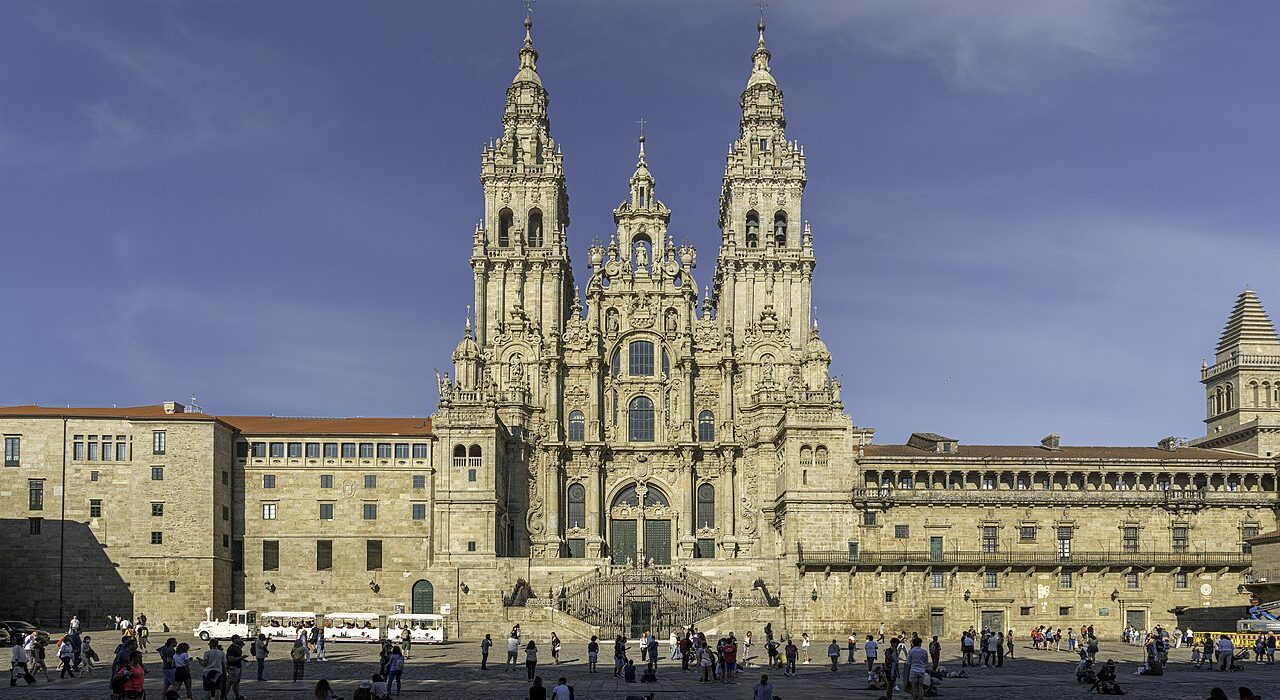
- Walk through Plaza del Obradoiro: Mandatory photo of the Baroque façade and the Hostal dos Reis Católicos.
- Recommended Breakfast: Traditional café in the historic center (e.g., Rúa do Vilar area). Estimated price: €2.50 – €4 for coffee and toast.
Midday
- Where to eat: Look for a “Menú del Día” (Daily Menu) on the streets near rúa Nova. Average price: €12 – €15 (includes drink and dessert).
- Activity: Visit to the Monastery of San Martín Pinario, one of the largest Benedictine monasteries in Spain.
Afternoon
- Climb to Monte do Gozo: Hike or take the city bus to see the first view of the cathedral towers that pilgrims encounter. Estimated time: 2 hours (round trip + sightseeing).
- Snack: Try the Tarta de Santiago (Almond Cake) at a local confectionery (e.g., Mora or Mozo). Price: €3 – €5 per slice.
Night
- Dinner: Budget-friendly tapas crawl along Rúa da Raíña or Rúa do Franco. Order a portion of Pimientos de Padrón (Padrón Peppers) to share. Dinner price: €15 – €20 per person.
- Atmosphere: Santiago has a very active university nightlife, perfect for ending the day with a beer on a terrace.
Day 2: The Force of the Atlantic (Costa da Morte and A Coruña)
Morning
- Departure to Costa da Morte: Drive or take a bus to Muxía (approx. 1h from Santiago).
- Santuario de la Virgen de la Barca (Sanctuary of the Virgin of the Boat): Visit the sanctuary and the “Pedras de Abalar” (rocking stones). Free entry.
- Recommended Breakfast: Bakery in Muxía. Price: €3.
Midday
- Where to eat: Neighborhood seafood restaurant in Fisterra or Muxía. Budget option: Squid sandwich or fried fish. Price: €10 – €15.
- Activity: Climb to the Faro de Fisterra (Fisterra Lighthouse), considered by many to be the true Finis Terrae. Spectacular ocean views.
Afternoon
- Transfer to A Coruña: Drive to the heroic city (approx. 1h 15min from Fisterra).
- Walk along the Paseo Marítimo: One of the longest in Europe. Exterior visit to the Torre de Hércules (the oldest functioning Roman lighthouse in the world).
- Rest: Relax at Riazor or Orzán Beach.
Night
- Dinner: Old Town area or Plaza de Lugo. Try the Tortilla de Betanzos (very common in the area) or an empanada. Price: €15 – €20.
- Atmosphere: A Coruña is very walkable and safe at night. The tapas areas around Plaza de María Pita are ideal.
Day 3: From the Heroic City to the Rías Baixas
Morning
- Visit to the Domus (House of Man): Interactive museum dedicated to humankind. Admission approx. €4.
- Departure towards the Rías Baixas: Head south towards the Pontevedra/Combarro area (approx. 1h 15min).
- Recommended breakfast: En route or upon arrival in Combarro. Price: €3.
Midday
- Where to eat: Combarro is famous for its stone granaries (hórreos) by the sea. Dine at a restaurant with views of the estuary. Average price: €15 – €20.
- Activity: Photographic walk among the hórreos and cruceiros (stone crosses) of Combarro, one of the most beautiful villages in Spain.
Afternoon
- Transfer to Vigo: Continue towards Vigo (approx. 30 min from Combarro).
- Castrelos Park: Visit the Finca de la Marquesa estate and the Quiñones de León museum (if time permits). Free entry to the park.
- Snack: Ice cream or coffee in the Port of Vigo area.
Night
- Dinner: O Príncipe neighborhood or Pescadería Street area. A small seafood platter (mariscada) or goose barnacles (percebes) are a must if budget allows, or lacón con grelos (pork shoulder with turnip greens). Price: €20 – €25.
- Atmosphere: Vigo has a very concentrated nightlife area near the port and Príncipe Street.
Day 4: Vigo and the Paradise of the Cíes Islands
Morning
- Excursion to the Cíes Islands: Active option. Requires prior booking of the access permit (free but limited) and boat ticket (approx. €20 round trip from Vigo). Rodas Beach, voted best beach in the world on several occasions.
- Relaxed option: If Cíes is full, visit the MARCO Museum (contemporary art, free entry) and the Aquarium Finisterrae.
- Recommended breakfast: At the port before boarding or in the La Oliva neighborhood. Price: €4.
Midday
- Where to eat: If you are in Cíes, bring a sandwich (no restaurants, only a basic and expensive beach bar). If in Vigo, set menu in the Gran Vía area. Price: €12 – €15.
- Activity: Return to Vigo city and stroll around the Collegiate Church of Santa María de Vigo.
Afternoon
- Wine Route (Rías Baixas): Short transfer towards Cambados or Salvaterra de Miño (approx. 45 min).
- Albariño Tasting: Visit a local winery. Many offer affordable or free tours if you purchase a bottle. Tasting price: €10 – €15.
- Rest: Enjoy the vineyard landscape.
Night
- Dinner: In the Rías Baixas area (Cambados/Pontevedra). Fresh grilled fish. Price: €18 – €25.
- Atmosphere: Quieter nights than in big cities, ideal for conversation.
Day 5: Rías Baixas and Return to Santiago
Morning
- Visit to a Galician Pazo (Manor House): Such as the Pazo de Oca (the “Galician Versailles”) or the Pazo de Mariñán. Admission approx. €8 – €10.
- Last-minute shopping: Buy gastronomic souvenirs (Arzúa cheese, wine, canned goods).
- Recommended breakfast: Hearty Galician breakfast before departing. Price: €5.
Midday
- Where to eat: Farewell meal en route to Santiago, perhaps in Padrón to try the original peppers. Price: €15.
- Activity: Final transfer to Santiago de Compostela (approx. 45 min from Padrón).
Afternoon
- Trip conclusion: If your flight/train is late, free time in the Plaza del Obradoiro to absorb the journey.
- Departure: Transfer to Lavacolla Airport or the train station.
Night
- End of itinerary.
Recommended Accommodation
To keep a 5-day trip to Galicia within an economical budget, it is recommended to alternate between central hostels and family-run guesthouses.
- Santiago de Compostela: Look for hostels in the Old Town (San Pedro or Rúa do Franco area). Range: €25 – €40 per night/person in a shared room; €60 – €80 for a double.
- A Coruña: Ciudad Vieja area or near Plaza de Lugo. Range: €30 – €50 per night/person.
- Vigo: Centro or Teis area (cheaper but requires a bus). Range: €25 – €45 per night/person.
- Rías Baixas: Agritourism stays or rural houses in Pontevedra/Cambados. Range: €35 – €60 per night/person.
Transport Between Cities
Mobility is key for this route. You have two main options:
- Rental Car: This is the most flexible option for the Costa da Morte and the Rías Baixas. Estimated price: €40 – €60 per day + fuel. Allows stops at improvised viewpoints.
- Public Transport (Train/Bus):
- Renfe: Connects Santiago with A Coruña in 35 min (approx. €10) and with Vigo in 50 min (approx. €12).
- Monbus/ATSA: Frequent buses between cities. Santiago to Fisterra takes approx. 2h (€12).
- Ferry: For the Cíes Islands, departures are only from Vigo, Cangas, or Baiona.
Estimated Budget
Breakdown for a budget-conscious traveler (sharing a room and using mixed transport):
- Accommodation (4 nights): €140 (average €35/night).
- Lunch and Dinner: €150 (average €30/day including set menus and tapas).
- Transport: €80 (Trains, local buses, and ferry to Cíes). If sharing a car, this can drop to €60.
- Entrance Fees and Leisure: €50 (Cathedral, museums, wineries).
- TOTAL ESTIMATED: €420 per person.
Independent Travel or Organized Tour?
This is a crucial decision when planning your Galicia tour.
- Independent Travel:
- Advantages: Total flexibility to spend more time at a viewpoint on the Costa da Morte or change restaurants if you find a better one. Significant savings on guide costs.
- Disadvantages: Requires logistical planning (car rental, train schedules). The Cíes Islands require permit management in advance.
- Profile: Independent travelers, young couples, backpackers.
- Organized Tour:
- Advantages: Absolute comfort. No need to worry about driving on narrow Galician roads. Includes historical explanations from local guides.
- Disadvantages: Rigid schedules. Usually more expensive (minimum €100 extra per person for 5 days).
- Profile: Families with small children, seniors, travelers who prioritize rest over logistical adventure.
Practical Tips
- Book the Cíes Islands months in advance: Access is limited to protect the ecosystem. Without a permit, there is no boat.
- Rainproof clothing: Even in summer, the weather on the Costa da Morte changes quickly. Always carry a light raincoat.
- Meal times: In Galicia, lunch is late (14:30–15:30) and dinner is late (21:30–22:30). If you go too early, many quality spots will be closed.
- Language: Although everyone speaks Spanish, learning basic phrases in Galician (“Onde hai un baño?”, “A conta por favor”) is very much appreciated.
- Driving: The secondary roads leading to the Costa da Morte are narrow and full of curves. Drive with caution, especially in fog.
- Tipping: Not mandatory as in the U.S., but leaving small change or 5–10% in à la carte restaurants is a welcome gesture.
Frequently Asked Questions
Is it necessary to rent a car for this 5-day itinerary?
It’s not strictly necessary, but highly recommended for the Costa da Morte and Rías Baixas sections. Public transport (train and bus) connects Santiago, A Coruña, and Vigo well, but reaching small towns like Muxía or rural wineries by car is far more efficient and saves valuable time on such a short trip.
What is the best time to visit Galicia on this budget?
The best value for money is during the “shoulder season” (May–June and September). In July and August, accommodation prices skyrocket and overtourism becomes an issue, especially on the Cíes Islands. Winter is very cheap, but the weather may limit outdoor and beach activities.
Can I do this route if I only speak English?
Yes, absolutely. In major cities (Santiago, A Coruña, Vigo) and tourist establishments, the level of English is quite acceptable, especially among younger staff. In rural areas of the Costa da Morte it may be more limited, but with gestures and translation apps you won’t face serious problems.
What dishes must I try if I’m vegetarian?
Galicia is famous for seafood and meat, but it offers excellent vegetarian options: Pimientos de Padrón (Padrón peppers), Tortilla de patatas (Spanish potato omelet—make sure it doesn’t contain onion if you dislike it, though the Galician version usually does), Pan de Cea (Cea bread), cheeses like Arzúa-Ulloa, and desserts such as Filloa (Galician crêpe) or Tarta de Santiago (almond cake).