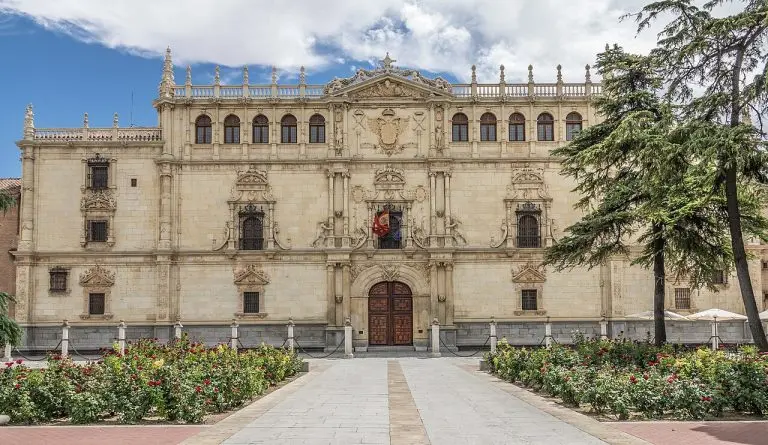
Madrid → Alcalá de Henares
37 kmHow to get from Madrid to Alcalá de Henares: quick summary
The fastest option with the best frequency is the Renfe Cercanías or Regional Exprés train, with departures every few minutes from Madrid-Chamartín-Clara Campoamor and a journey time of between 29 and 45 minutes. If you prefer to go by road, driving takes about 30 minutes along the A-2, while the direct ALSA or Samar bus is the cheapest alternative, with tickets between 3 and 4€ and a duration of 25 minutes. For those seeking flexibility and wanting to make stops in Torrejón de Ardoz or Coslada, the car is unbeatable; to reach Alcalá’s historic centre without worrying about parking, the train is the logical choice.
Driving from Madrid to Alcalá de Henares
The drive between Madrid and Alcalá de Henares is just 37 km and takes approximately 30 minutes under normal traffic conditions. The main route runs along the A-2, the Autovía del Nordeste, which covers about 17 km of the journey with no tolls. It then connects with the M-300, known as Avenida de Roma, which adds about 4 km to the entrance of Alcalá. Leaving Madrid is straightforward by following the A-2 towards Zaragoza, and signposting to Alcalá de Henares is clear from the first few kilometres. Bear in mind that during weekday rush hour the stretch of the A-2 near Madrid can become congested, so it’s worth avoiding the 7:30 to 9:30 and 17:30 to 19:30 windows if you want to keep that 30-minute time.
By train from Madrid to Alcalá de Henares
The direct Renfe train is the most widely used way to cover the 37 km between Madrid and Alcalá de Henares, with 128 trains a day and a duration ranging from 29 to 70 minutes depending on the type of service. The departure station is Madrid-Chamartín-Clara Campoamor and the destination is Alcalá de Henares station. The fastest service is the Regional Exprés (REG.EXP.), with 9 daily trains completing the journey in 29 minutes. Next are the Cercanías C2 trains, with 80 services a day and a time of 34 minutes, and the Cercanías C7, with 35 daily trains and 45 minutes of travel. There are also 4 Regional trains a day that take 45 minutes. The first train leaves at 05:08 and the last at 23:45, making it perfectly comfortable to go and return in a single day. Cercanías tickets are notably cheap and require no prior reservation, while the Regional Exprés trains offer assigned seating and greater comfort.
By bus from Madrid to Alcalá de Henares
The direct bus between Madrid and Alcalá de Henares is a practical and very cheap alternative, with a duration of 25 minutes and a price that ranges from 3 to 4€. Several companies operate: ALSA, Samar and ALSA in its CRTM (Consorcio Regional de Transportes de Madrid) interurban mode. Buses leave from interchanges and stops across the Madrid metropolitan area, with good frequency throughout the day. For budget-conscious travellers or those staying near the bus stations, this option competes directly with the Cercanías train on price and only loses out somewhat on frequency. The journey is so short that you’ll barely notice the difference from driving in terms of travel time.
Recommended stops along the way
The corridor between Madrid and Alcalá de Henares brings together several towns with a charm all of their own, ideal for a half-day getaway or a foodie stop. All of them lie less than 15 minutes from the A-2 or the M-300, so they won’t take you far out of your way.
- Torrejón de Ardoz: The largest town on this stretch, with a lively pedestrian centre, Parque Europa (featuring replicas of European monuments) and a wide choice of restaurants. It’s the most convenient stop if you’re travelling by car, as it sits right next to the A-2.
- Paracuellos de Jarama: Located north of the A-2, it offers a quieter atmosphere and views over the Jarama valley. Its old town retains a traditional village feel, with bars and terraces where you can sample Madrid-style tapas.
- Coslada: An important logistics and residential hub, Coslada stands out for its proximity to the airport and the multicultural feel of its streets. It’s a practical stop to refuel or grab a quick bite before continuing on to Alcalá.
- San Fernando de Henares: This town has an interesting historic centre with the church of San Fernando and several riverside parks. Its proximity to the Henares river makes it a pleasant stop to stretch your legs.
- Mejorada del Campo: Known for its unique Catedral de Justo, a building self-built by Justo Gallego himself over decades, Mejorada offers a curious and unusual visit. It’s just a few minutes from the M-300.
- Velilla de San Antonio: On the banks of the Jarama, Velilla is the most natural stop for those seeking green spaces and riverside routes. Its picnic areas and paths along the river are perfect for an outdoor break.
Where to stay in Alcalá de Henares
Alcalá de Henares concentrates most of its accommodation in the historic centre and the areas near the university, with options ranging from budget guesthouses and pensions to mid-range hotels and paradores. Staying in the historic centre will let you explore calle Mayor, the Universidad Cisneriana and Plaza de Cervantes on foot, with the drawback of trickier parking if you’re travelling by car. The university area and the surroundings of the train station offer more functional, well-connected accommodation at somewhat lower prices. Typical price ranges are 40-70€ per night in guesthouses and pensions, 70-120€ in three- and four-star hotels, and over 120€ in higher-category establishments or during university event dates. Book in advance if your visit coincides with the Cervantes Prize ceremony or with university exams.
Where to eat along the route
The food scene along this corridor is pure Madrid tavern cooking: hearty and made for sharing. In Madrid itself and in the towns along the route you’ll find the same dishes that have fed generations of travellers.
- Cocido madrileño: A traditional stew of chickpeas with meats (beef shank, chorizo, pork belly, chicken) and vegetables, served in several courses: first the broth with noodles, then the chickpeas with vegetables and finally the meats. It is the most emblematic dish of Madrid cuisine and is plentiful in the restaurants of Torrejón de Ardoz and Alcalá.
- Bocadillo de calamares: A baguette sandwich filled with battered, fried squid, typical of the Plaza Mayor and Madrid’s taverns. It is sometimes dressed with lemon or alioli. It’s a quick, cheap option for eating before catching the train or bus.
- Callos a la madrileña: A stew of beef tripe with chorizo, beef shank, paprika and spices, very popular in taverns and eating houses. It is served hot, often in a clay pot, and is ideal for cold winter days along the route.
- Caracoles a la madrileña: Snails stewed with chorizo, ham, onion, tomato and chilli, typical of springtime in Madrid. They are served in a spicy sauce and are a delight for curious palates.
- Tortilla de patatas: A tortilla made with potatoes, egg and onion (optional), set in a frying pan. It is a universal dish of Spanish cuisine found in any bar along the route, from Madrid to Alcalá.
- Vino de Madrid (DO Vinos de Madrid): Red, white and rosé wines protected by the DO Vinos de Madrid, made mainly from Garnacha, Tempranillo and Malvar. The DO covers subzones such as Arganda, Navalcarnero and San Martín de Valdeiglesias. Ask for a young Garnacha red to accompany the cocido or the callos.
Frequently asked questions about the Madrid-Alcalá de Henares route
How long does it take to get from Madrid to Alcalá de Henares?
Travel time depends on the mode of transport. By car, the 37 km by road are covered in approximately 30 minutes via the A-2 and the M-300. By train, the Renfe Regional Exprés takes 29 minutes, the Cercanías C2 takes 34 minutes and the Cercanías C7 or Regionales take 45 minutes. By direct bus, the journey takes 25 minutes according to ALSA and Samar. The first train leaves at 05:08 and the last at 23:45, with 128 trains per day.
Which is cheaper, the train or the bus?
The bus is the most economical option, with tickets between 3 and 4€ on the ALSA, Samar or CRTM interurban lines. Renfe’s Cercanías trains have very similar or slightly higher fares, especially if you use a pass or a single Cercanías ticket. The Regional Exprés trains may be somewhat pricier due to their greater speed and assigned seat, but they remain affordable. For tight budgets, the bus wins on price; for frequency and speed, the Cercanías train is unbeatable.
Is it worth renting a car?
It depends on your plan. If you’re only going to visit Alcalá de Henares, the Cercanías train with 128 trains per day and 29-45 minutes of travel is more practical and avoids parking problems. However, if you want to make stops in Torrejón de Ardoz, Paracuellos de Jarama, Coslada, San Fernando de Henares, Mejorada del Campo or Velilla de San Antonio, the car gives you total freedom. With only 37 km of distance and 30 minutes of journey, renting makes sense to combine several towns in the same day.
When is the best time to travel?
Spring and autumn are the best seasons for this route, with mild temperatures for strolling through Alcalá’s historic centre and the intermediate stops. In summer, the heat can be intense at midday, although the trains and buses are air-conditioned. Winter is ideal for enjoying cocido madrileño and callos, but it’s best to avoid weekday peak hours on the A-2. If you travel by car, avoid the stretches from 7:30 to 9:30 and from 17:30 to 19:30 on weekdays to avoid wasting time in traffic jams.
💡 ¿Sabías que...?
- ● El 20 de enero de 1486, en el Palacio Arzobispal de Alcalá de Henares, se produjo la primera entrevista entre Cristóbal Colón y los Reyes Católicos para conseguir apoyo financiero para su viaje a las Indias. (https://www.epe.es/es/madrid/alcala-de-henares/20250302/5-curiosidades-alcala-henares-sabias-114798678)
- ● En Alcalá de Henares existe la 'casa de las dos mentiras': la antigua iglesia del convento de San Juan de la Penitencia, hoy Casa de la Entrevista, ni fue casa ni hubo entrevista allí. (https://lalunadelhenares.com/curiosidades-de-alcala-la-casa-de-las-dos-mentiras-el-callejon-del-peligro-la-tapia-de-las-adoratrices-las-desamortizaciones-la-calle-gallo/)
📍 También te puede interesar
Qué ver en Madrid →
Qué ver en Alcalá de Henares →