Sagunto
Comunidad ValencianaClimate
What to see in Sagunto: the essentials
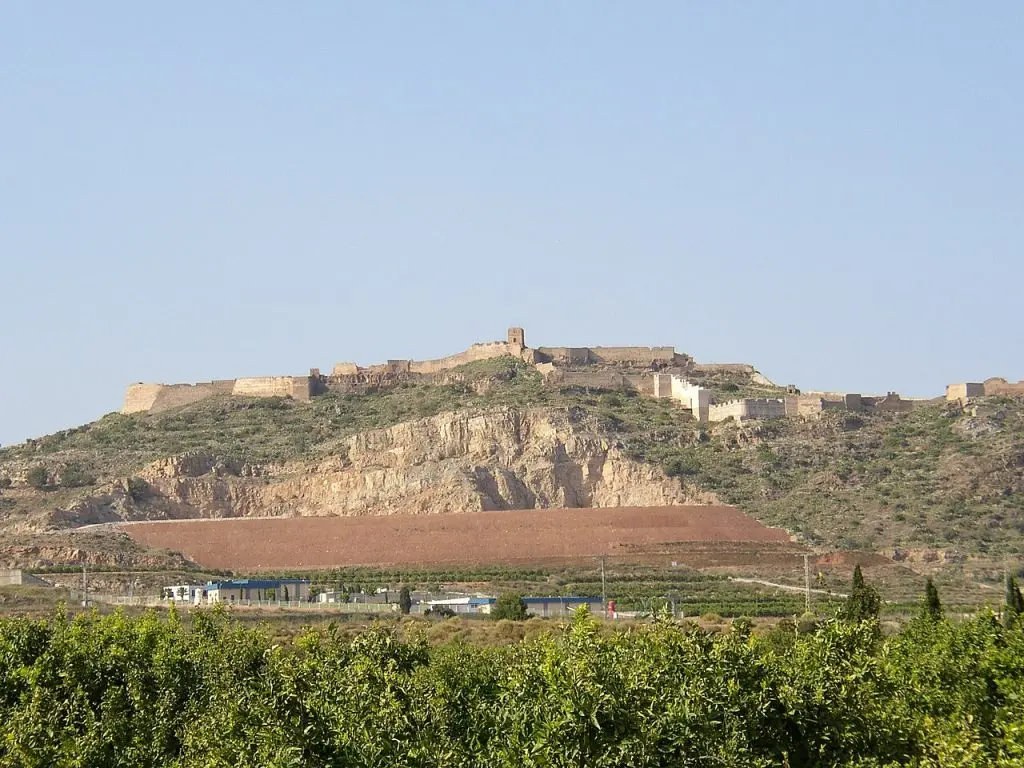
Castle of Sagunto
The castle of Sagunto is a fortress occupying a hill 211 metres high and preserves structures from the 5th century BC through to the 19th century, making it a genuine open-air history book. Entry is paid, with opening hours varying by season, and comfortable footwear is recommended because the slopes and uneven ground are constant. From calle del Castell, s/n, the views over the old town, the Port and the Mediterranean justify the climb on their own. It forms part of the tourist offer managed by Sagunto Turismo, whose official website is saguntoturismo.com and contact telephone number is 962 61 72 67. It was declared a National Monument in 1931.
Roman Theatre of Sagunto
The Roman theatre of Sagunto was built around the year 50 AD, making use of the hollow of the city’s northern hillside, and is considered one of the best-preserved Roman theatres in Spain. In 1896 it was declared a national monument, making it a heritage site of cultural interest in the monument category (RI-51-0000073). Its seating, partly carved into the rock, is arranged in semicircular caveae with capacity for several thousand spectators and offers exceptional acoustics. It’s the kind of place where you sit in the stands and, without needing to imagine anything, feel the weight of two thousand years of history.
Historical Museum of Sagunto
The museum forms part of the city’s interpretation centre and its visit is integrated into the old town route, so the thing to do is combine it with the castle and the theatre. The castle, declared a National Monument in 1931, has visiting hours from October to March, Tuesday to Saturday from 10:00 to 18:00, and from April to September, Tuesday to Saturday from 10:00 to 20:00. On Sundays and public holidays it opens from 10:00 to 14:00, and on Mondays it remains closed. It’s an ideal stop to understand the context of everything you’re seeing before carrying on pounding the streets.
Church of Santa María
The church of Santa María is an example of Valencian pointed Gothic located at Plaza Mayor, number 9, and construction began in 1334 on the same site occupied by the main mosque of Murviedro. It was completed in the early 18th century and was declared a National Monument in 1982. It stands out for its portal and its interior with an austere Gothic nave, and the visit is made alongside the old town route. If you want to attend a mass, in winter they are held Monday to Saturday at 19:00 and on Sundays and public holidays at 10:30 and 19:00, while in summer they move to 20:00.
Casa dels Berenguer
The Casa dels Berenguer is a Gothic palace located at calle del Sagrario, 17, converted into an Interpretation Centre and Visitor Information Point. Entry is free and opening hours are Thursday to Monday and public holidays from 10:30 to 17:00, and Tuesday and Wednesday from 10:30 to 14:30. It has a contact telephone number (637 801 266) and email address (infocasaberenguer@aytosagunto.es) for enquiries and tourist information. It’s an excellent showcase to orient yourself on the town’s tourist, cultural, heritage and gastronomic offer.
Muralla de Diana
The Muralla de Diana is a surviving section of a 5th–4th century BC wall preserved inside the Casa dels Berenguer, and it is one of the city’s most important Iberian remains. It forms part of the interpretation centre alongside the Jewish Mikvé, and admission is included in the route through the Museu Històric de Sagunto.
Creu de la Victòria
A monument commemorating the victory of the troops of the Duke of Segorbe over the agermanats on 18 July 1521.
Other points of interest
The Espai Arqueològic Via del Pòrtic is a commercial or entertainment establishment. The Arxiu Epigrafic, the Museu de la Domus dels Peixos, the Centre Cultural Bancaixa and the Museu de la Sang are museums that round out the cultural offering. The Carrer dels Antigons, the Porta del Circ Romà, the Antic cementeri jueu and the Villa Romana de Ponera are monuments scattered across the municipality.
🍂 Otoño
Si visitas Sagunto en otoño, el clima se refresca y las lluvias siguen siendo escasas, perfecto para caminar por la Muralla de Diana y la Casa dels Berenguer. En septiembre puedes coincidir con los Moros y Cristianos, que llenan las calles de color. Lleva calzado cómodo y algo de abrigo para la tarde.
What to do in Sagunto
Sagunto offers patron saint festivals with bullfighting events and calderes, fallas with mascletàs and cremà, Moors and Christians with a Gran Entrada, and food traditions such as the Dijous de Berenar with pataquetas. The festive calendar is packed: in January, Sant Antoni fills the Plaza Mayor with the burning of the bonfire, correfocs and the blessing of animals organised by Amics del Cavall. In March, the Fallas erect monuments and fill the streets with parades and offerings until the final cremà on the night of San José. In July, the Fiestas Patronales in honour of Saints Abdón and Senén bring a cavalcada de penyes and calderes, and the Virgen del Carmen leads the maritime procession and the great sardinada in the Port. In August, the Fiestas de la Virgen de Begoña in Puerto de Sagunto stretch over more than two weeks with festive, bullfighting and popular activities. In September, the Moros y Cristianos in honour of the Virgen del Remedio recall the Reconquista with a pregón, Alardo, Despullament del Moro, offering and Gran Entrada Mora y Cristiana. To get around between the old town, the Port and the coastal districts such as Almardá, the urban bus is the practical option.
Sagunto in a day: express itinerary
- 9:00 – Teatro Romano: start with the best-preserved site, with morning light falling on the rock-hewn seating and no crowds.
- 10:30 – Castillo de Sagunto: head up the calle del Castell in comfortable shoes, walk through structures spanning the 5th century BC to the 19th century and enjoy the views from the 211 metres of the hill.
- 12:30 – Iglesia de Santa María and Plaza Mayor: come down to the historic centre to see the Gothic portal and the austere nave interior, and take the chance to wander the Jewish quarter.
- 13:30 – Casa dels Berenguer and Muralla de Diana: enter the Gothic palace at calle del Sagrario, 17 free of charge and take a look at the Iberian wall from the 5th–4th centuries BC.
- 14:30 – Lunch in the old town or the Port: choose between pataquetas, oven-baked rice with cod or coca de tomate at local bakeries and restaurants.
Where to eat in Sagunto: local cuisine
Where to stay in Sagunto
Casco Antiguo de Sagunto
Núcleo histórico de origen romano e íbero, con calles empinadas y estrechas que ascienden hacia el castillo. Alberga el Teatro Romano, la Judería, la iglesia de Santa María y el Ayuntamiento. Ambiente monumental y tranquilo, ideal para pasear y empaparse de historia.
El Puerto de Sagunto
Zona costera y residencial surgida de la actividad siderúrgica, con amplias avenidas y playa. Tiene un ambiente más moderno y servicios turísticos de playa, restaurantes y paseo marítimo. Es el área principal para alojamiento de playa.
Centro / Avenida de los Santos Patronos (Sagunto ciudad)
Zona comercial y de servicios de la ciudad, con la estación de tren, comercios, bares y restaurantes. Es el área más animada para la vida diaria y las compras, con fácil acceso al casco antiguo.
Almardá
Pedanía costera de Sagunto con playa amplia y ambiente residencial y tranquilo. Cuenta con servicios básicos y es frecuentada por veraneantes que buscan menos masificación que en el Puerto.
Canet d'en Berenguer (zona limítrofe, playa de Sagunto)
Municipio independiente pero integrado en la zona costera de Sagunto, con una de las playas más valoradas y un paseo marítimo con restaurantes. Ambiente familiar y de veraneo.
Faura / Benifairó de les Valls (zona de influencia, no Sagunto)
Municipios vecinos del Camp de Morvedre con ambiente rural y tranquilo, útiles como base para explorar la comarca. No son barrios de Sagunto, pero se incluyen como zonas cercanas.
How to get to Sagunto
| Medio | Duración | Precio aprox. | Frecuencia |
|---|---|---|---|
| Tren (estación de Sagunt, sin AVE) | Variable según origen | Medio | Consultar horarios |
| Aviación (aeropuerto de Olocau UL) | Variable | Variable | Consultar disponibilidad |
| Bus urbano | Dentro del municipio | Bajo | Frecuente |
How to get around Sagunto
Urban transport in Sagunto is organised around the city bus, which connects the main centres: the historic quarter or Sagunto-Ciudad, Puerto de Sagunto and coastal districts such as Almardá. To move between the old town and Puerto, the bus is the most comfortable option if you don’t have a car. If your plan is to focus on the historic quarter, everything can be done on foot, albeit with comfortable shoes for the slopes and uneven ground of the castle. The Sagunt train station, with no AVE, connects you with Valencia and other municipalities in the Campo de Murviedro region.
Weather in Sagunto
Live webcam — Canet d'en Berenguer*
Sagunto* The nearest webcam to Sagunto is in Canet d'en Berenguer, 6.3 km away.
Source: Windy Webcams
Best time to visit Sagunto
Day trips from Sagunto
Sagunto is an excellent base for exploring the cities of the region, with the Sagunt train station as a starting point. Valencia, capital of the province and of the Valencian Community, is a short train ride away and offers a wealth of monuments, gastronomy and culture that perfectly complements a visit to Sagunto. The metropolitan area of Valencia, to which Sagunto belongs as part of its second ring, lets you combine beach, history and city in a single trip. The neighbouring municipalities of Camp de Morvedre, such as Faura or Benifairó de les Valls, offer a rural, peaceful contrast just a few minutes away by car. Canet d’en Berenguer, although an independent municipality, is integrated into the coastal area of Sagunto and has one of the most highly rated beaches in the region, ideal for a day of sea and seaside promenade.
Sagunto facts you never knew
The Roman theatre of Sagunto, built in the 1st century BC, could hold up to 4,000 spectators, a figure that gives an idea of the importance this city had in Roman times. The siege of Sagunto by Hannibal lasted eight months and was the trigger for the Second Punic War, one of the most decisive episodes in the ancient history of the Mediterranean. Antonio Chabret y Fraga, historian and official chronicler of Sagunto, was born in Sagunto on 28 May 1846, and his figure is linked to the study and promotion of local heritage. The castle of Sagunto occupies a hill 211 metres high and preserves structures from the 5th century BC to the 19th century, which makes it a unique layering of civilisations in the Region of Valencia.
Who Sagunto is for
Sagunto is an ideal destination for lovers of history and heritage, with its castle, its Roman theatre and its old town of Iberian and Roman origin. Families find beach, promenade and a holiday atmosphere in Puerto de Sagunto and Canet d’en Berenguer. Couples seeking peace and quiet have a perfect base in Almardá and the nearby rural municipalities. Foodies will delight in the pataquetas, the cocas and the local rice dishes, and travellers using the train as a base for exploring the Region of Valencia will appreciate the direct connection with Valencia. It is not a destination for those seeking luxury or intense nightlife, but it is for anyone wanting a getaway with history, beach and gastronomy without the crowds.
💡 ¿Sabías que...?
- ● El teatro romano de Sagunto, construido en el siglo I a.C., podía albergar hasta 4.000 espectadores. (https://lugaresconhistoria.com/sagunto-valencia)
- ● El asedio de Sagunto por Aníbal duró ocho meses y fue el detonante de la Segunda Guerra Púnica. (https://elpais.com/cultura/2021-04-29/el-castillo-romano-de-sagunto-una-historia-milenaria-descuidada-que-no-se-cuenta-al-visitante.html)
- ● Antonio Chabret y Fraga, historiador y cronista oficial de Sagunto, nació en Sagunto el 28 de mayo de 1846. (https://cronistesdelregnedevalencia.com/2016/06/antonio-chabret-y-fraga-cronista-de-sagunto/)
- ● El castillo de Sagunto ocupa un cerro de 211 metros de altura y conserva estructuras desde el siglo V a.C. hasta el XIX. (https://lugaresconhistoria.com/sagunto-valencia)
Frequently asked questions about Sagunto
How many days do I need to see Sagunto?
With a full day you can see the essentials: the castle, the Roman theatre, the church of Santa María, Casa dels Berenguer and the old town. If you want to add the beach at Puerto or Almardá, museums and an excursion around the region, two or three days are ideal.
What is the best time of year to visit Sagunto?
From April to July, according to average temperature data of 25.7°C in summer and 11.5°C in winter. July and August are hot and muggy due to the high relative humidity, and in autumn there is an occasional risk of torrential rain (DANA).
How do I get to Sagunto from Madrid?
Sagunt train station does not have AVE, so the most usual option is to arrive by conventional train or combine AVE to Valencia and from there a Cercanías or regional train to Sagunt. The nearest airport with commercial flights is Valencia, since Olocau UL is an ultralight aerodrome.
Is entry to the castle of Sagunto free?
No, entry to the castle is paid, with opening hours varying by season. Comfortable footwear is recommended due to the ramps and uneven ground. General opening hours are from October to March, Tuesday to Saturday from 10:00 to 18:00, and from April to September, Tuesday to Saturday from 10:00 to 20:00; Sundays and public holidays from 10:00 to 14:00, and closed on Mondays.
What are pataquetas and when are they eaten?
Pataquetas are small crescent-shaped rolls filled with broad bean and spring garlic tortilla, blanco y negro, loin with tomato, among others. They are celebrated every Thursday from Sant Antoni until Ash Wednesday, in the tradition known as Dijous de Berenar, and can be tried in bakeries and traditional establishments in Sagunto.