Madrid → Alicante
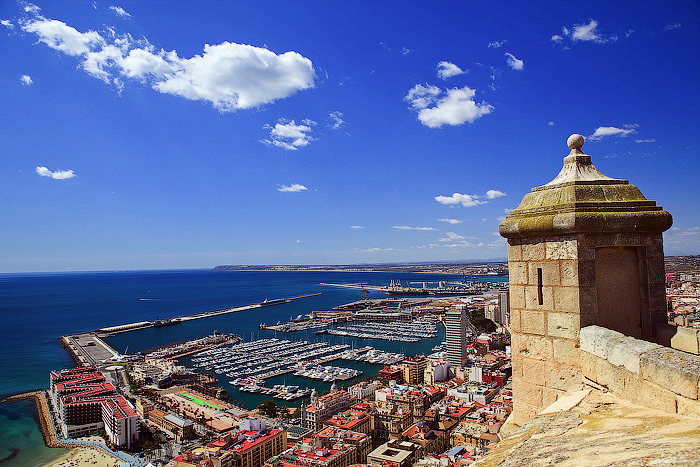
420 kmLeaving the capital and feeling the dry landscape of the meseta (central plateau) give way, kilometer by kilometer, to the brilliant blue of the Mediterranean is one of the most rewarding road experiences in Spain. This journey is not just a 420-kilometer drive; it is a visual voyage that connects the country’s administrative heart with the vibrant Alicante coast, offering a sense of freedom that only the open road or the speed of the AVE can provide.
How to Get from Madrid to Alicante: Quick Overview
The fastest way to travel from Madrid to Alicante is by AVE train, which covers the distance in just over 2 hours, while driving is the ideal option for those seeking flexibility and the chance to make tourist stops along the way. For the budget-conscious traveler, the bus offers the most economical fare, albeit with a considerably longer travel time. If your goal is pure efficiency and arriving well-rested to enjoy the beach or the city, the train is the top recommendation; however, if you plan to explore the towns of La Mancha or are carrying a lot of luggage, renting a car or using your own will give you total autonomy.
By Car from Madrid to Alicante
The driving route from Madrid to Alicante covers a total distance of 420 km and an estimated driving time of 4 hours and 15 minutes without stops. This journey is made almost entirely on toll-free highways, which represents a significant saving in travel costs compared to other European routes that include mandatory tolls. The backbone of this trip is the A-3 (Autovía del Este), which takes you out of Madrid towards the Levante region, connecting smoothly with the A-31 (Autovía de Alicante) for the final stretch to the coast. Although the main route is direct, Spain’s road infrastructure offers multiple connections via highways such as the A-35 (Autovía Almansa-Játiva) or the A-30 (Autovía de Murcia), which can serve as alternatives or access routes to specific areas if your final destination is not the exact city center. Other highways in the national network, such as the A-4 (Autovía del Sur), the A-40 (Autovía de la Meseta Sur), or the A-43 (Autovía del Guadiana), are part of the framework that allows access to the region from different points, although for the direct journey from the capital, the A-3 and A-31 combination is the standard. It is important to note that all the mentioned routes, including the A-2, A-5, A-6, A-23, A-32, A-33, and A-42, are toll-free, making for an economical trip. Driving is generally straightforward, with long straight stretches across the meseta that invite relaxation, although caution is recommended on the mountain sections near Requena and when approaching the urban agglomeration of Alicante.
By train from Madrid to Alicante
The train journey from Madrid to Alicante is operated exclusively by Renfe and offers the fastest connection, with travel times ranging from 137 to 180 minutes depending on the type of service chosen. The frequency is high, with a total of 16 daily trains allowing great flexibility, the first train departing at 6:15 in the morning and the last at 20:00 in the evening. Within Renfe’s offering, the AVE service is the most abundant, with 12 daily departures completing the journey in just 137 minutes, ideal for business travellers or tourists short on time. For those seeking a more affordable high-speed option, there is the AVLO, with 2 daily trains and a duration of 153 minutes. The ALVIA service is also available, with 2 daily frequencies and a travel time of 172 minutes. All lines depart from Madrid-Chamartín-Clara Campoamor station, located in the north of the capital and well connected by metro and Cercanías, and arrive at Alicante/Alacant station, situated right in the city centre, allowing you to be in the leisure area as soon as you step off the train. The punctuality of these services is remarkable, and onboard comfort includes power outlets and tables, enabling you to work or rest during the journey.
By bus from Madrid to Alicante
The bus is the most economical option for travelling from Madrid to Alicante, with fares that can range from €10 to €68 depending on how far in advance you book and demand. The main companies operating this route are ALSA and Grupo Enatcar, guaranteeing a regular and reliable service. The bus journey takes approximately 240 minutes (4 hours), which is competitive compared to driving when you consider that you don’t have to drive or look for parking. Buses usually have basic amenities such as air conditioning, a toilet and, in many cases, WiFi, although legroom is less than on the train. This option is especially recommended for students or budget-conscious travellers who are not in a hurry to arrive. Departures are from Madrid’s Estación Sur de Autobuses (South Bus Station), a central transport hub, and arrive at Alicante bus station, facilitating connections with local urban transport.
Recommended stops along the way
If you decide to drive, the route is dotted with charming towns that deserve a pause to stretch your legs and soak up the local culture. Below, we detail the verified stops that will enrich your journey:
- Tarancón: Strategically located in the province of Cuenca, Tarancón is known as the “Gateway to La Mancha.” It’s an ideal spot for a quick first stop, where you can admire its traditional architecture and enjoy Manchego cuisine before heading into the plains.
- La Solana: This town in Ciudad Real stands out for its historical heritage and its production of saffron and wine. Stopping here lets you breathe in the essence of a place that has kept its traditions alive, with a main square that invites you to rest.
- Manzanares: Famous for its cheese and its history linked to Don Quixote, Manzanares offers a well-preserved old town. It’s the perfect spot to sample local products and visit the Castillo de la Encomienda (Castle of the Encomienda), which dominates the urban landscape.
- Daimiel: Although known worldwide for Las Tablas wetlands, the town of Daimiel itself is worth a visit for its architecture and tranquil atmosphere. It’s a culturally rich stop that connects you with the region’s nature just before continuing eastward.
- Motilla del Palancar: Located in Cuenca, this town is famous for its unique archaeological site, the Motilla del Azuer, which dates back to the Bronze Age. It’s a must-stop for history and archaeology lovers, offering a different perspective on the trip.
- Albacete: A provincial capital and communication hub, Albacete is the largest and most complete stop on the route. Here you can find all kinds of services, from shopping centers to a wide range of dining options. Don’t leave without trying its famous knives or visiting the Paseo de la Cuberta.
- Requena: Already in the province of Valencia, Requena marks the definitive transition toward the coast. It’s a medieval town with a beautiful cobbled old quarter and a strong winemaking tradition. Stopping here allows you to enjoy a landscape that begins to turn greener and more mountainous before your final arrival in Alicante.
Where to stay in Alicante
To choose where to stay in Alicante, the best approach is to define what kind of experience you’re looking for, as the city offers very distinct areas. The Centro Histórico (Old Town) is the most recommended area for tourists who want to be close to the action, with boutique hotels and apartments near the Ayuntamiento (Town Hall) and the Explanada de España. Prices here tend to be higher, especially in high season. If you prefer tranquility and the beach, the Playa de San Juan area is perfect, offering chain hotels and beachfront resorts, ideal for families, though it requires transport to reach the center. Another balanced option is the Ensanche-Diputación district, a residential and commercial area with good tram connections, where you’ll find mid-range hotels and tourist apartments at more competitive prices. Price ranges vary drastically depending on the season: in winter you can find very affordable deals, while in summer prices double. There are no specific hotel names recommended, but searching for accommodations with tourist certification in these areas guarantees quality.
FAQs about the Madrid–Alicante route
How long does it take to get from Madrid to Alicante?
Travel time depends on the mode of transport: by car it takes 4 hours and 15 minutes, by AVE high-speed train between 137 and 180 minutes, and by bus approximately 240 minutes.
Which is cheaper, the train or the bus?
The bus is generally cheaper, with prices ranging from €10 to €68, while the AVE train tends to have higher fares, though these can vary depending on how far in advance you book.
Is it worth renting a car?
Yes, it’s worth it if you plan to stop in towns like Albacete or Requena, or if you need to get around once you reach Alicante, as the 420 km distance is manageable in a morning.
When is the best time to travel?
The best season depends on your plans: spring and autumn are ideal for city sightseeing and road trips thanks to the mild weather, while summer is the peak season for enjoying the beaches of Alicante.
📍 También te puede interesar
Qué ver en Madrid →
Qué ver en Alicante →