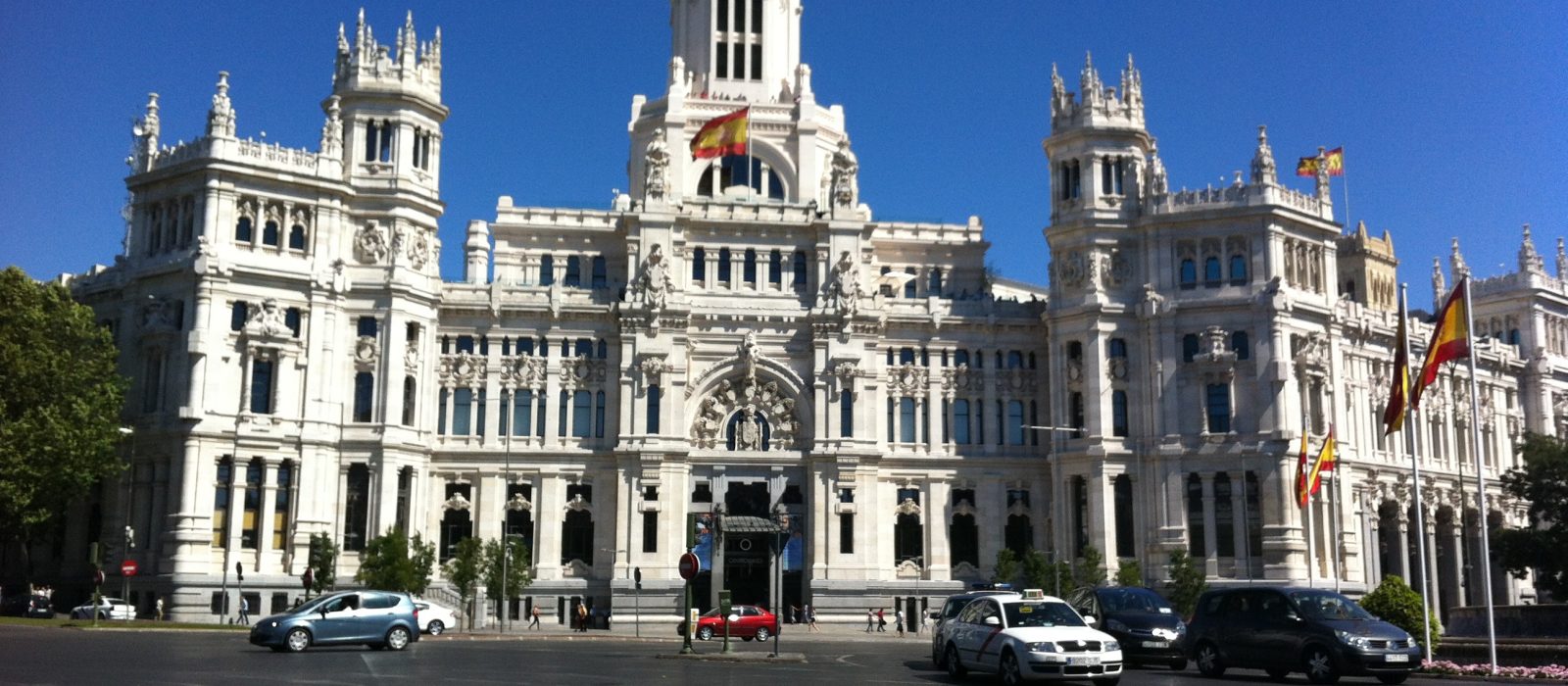
Bilbao → Madrid
400 kmLeaving Bilbao for Madrid isn’t just about covering a distance; it’s about crossing the soul of Spain in a heartbeat, moving from the lush green of the Cantabrian coast to the golden light of the meseta in just a few hours. Whether you choose the freedom of the road to stop in historic villages or the dizzying speed of the Alvia train that drops you in the heart of the capital before you know it, this journey is an experience in itself, connecting two vibrant worlds.
How to Get from Bilbao to Madrid: Quick Overview
The fastest and most comfortable option for most travelers is undoubtedly the Renfe Alvia train, which covers the distance in under 5 hours without any traffic worries, while the car is the ideal choice for those seeking total flexibility and wanting to explore the interior of the peninsula at their own pace. If budget is your absolute priority, the bus offers a direct alternative, though the travel time can be considerably longer and less predictable depending on the number of intermediate stops. For business travelers or tourists looking to maximize their time in the capital, the train wins hands down in efficiency, but for families or groups carrying bulky luggage, the 400-kilometer drive remains the king of logistical comfort.
Bilbao to Madrid by Car
Driving from Bilbao to Madrid means covering approximately 400 kilometers of modern, well-maintained highways, with an estimated driving time of 4 hours and 15 minutes under normal traffic conditions. The road network connecting the north with the center is extensive and, fortunately for your wallet, the vast majority of the main roads on this route are toll-free highways, making the trip very economical in terms of infrastructure costs. The main artery is usually the A-8 (Autovía del Cantábrico), which takes you out of Bilbao heading west, later connecting with the A-1 (Autovía del Norte) or the A-62 (Autovía de Castilla) to descend towards the capital. However, the Spanish road network offers multiple alternatives and connections that you can use depending on your exact departure point or if you decide to make tourist detours. Among the available toll-free options are the A-12 (Donejakue Bidearen autobia), ideal if you want to touch the Camino de Santiago (Way of St. James), and the A-73, which serves as an important connector in the Burgos area. As you approach Madrid, you have a range of access highways at your disposal, such as the A-6 (Autovía del Noroeste), the A-11 (Autovía del Duero) if you are coming from the north of Castile, or the A-2 (Autovía del Nordeste) and the A-3 (Autovía del Este) if your route takes you through the eastern part of the peninsula before turning. It is also possible to use the A-4 (Autovía del Sur), the A-5 (Autovía del Suroeste), or the A-42 (Autovía de Toledo) depending on the peripheral direction from which you decide to enter the city, although the most direct routes from the north tend to prioritize the A-1 and A-62 corridors. All these roads are designed for smooth traffic flow, allowing you to maintain a constant speed and enjoy the changing scenery without interruptions from toll barriers.
By train from Bilbao to Madrid
The train is the most time-efficient option, with Renfe’s ALVIA service completing the journey in a range of 275 to 285 minutes, which is equivalent to about 4 and a half hours of relaxed travel. This high-speed service is operated exclusively by Renfe and connects two of Spain’s most important stations: you depart from the historic and centrally located Bilbao-Abando Indalecio Prieto station and arrive directly at Madrid-Chamartín-Clara Campoamor, an excellent transport hub that connects you instantly with the capital’s metro and Cercanías (commuter rail) network. The current frequency is 2 ALVIA trains per day, which requires advance planning, especially if you are traveling on weekends or public holidays. The departure schedule is designed to suit both early risers and those who prefer a more leisurely pace: the first train leaves at 6:53 a.m., allowing you to arrive in Madrid by mid-morning and make the most of the day, while the last train departs at 17:28, ideal for those who want to enjoy a relaxed breakfast in Bilbao before setting off. On board the ALVIA, you can enjoy the comfort of reclining seats, power outlets to charge your devices, and a cafeteria car, making those nearly 5 hours fly by as you watch the landscape transform before your eyes.
By bus from Bilbao to Madrid
The bus is the budget-friendly alternative for those who are not in a hurry, with established companies such as Alsa and FlixBus operating direct routes between the two cities. Although the exact journey duration can vary significantly depending on traffic and the specific technical stops made by each company (information not specified in the official table), the main advantage lies in its accessibility and competitive price. Tickets can be found from 89.97€, a base fare that may fluctuate depending on how far in advance you book and the time of year. Both Alsa and FlixBus generally offer on-board Wi-Fi and comfortable seats, although legroom is usually less generous than on the train. This option is especially popular among students and backpackers who prioritize savings over speed, and departures typically leave from Bilbao’s bus terminal, arriving at Madrid’s South station or other central points depending on the operator.
Recommended stops along the way
If you decide to drive, the route is dotted with charming towns that are well worth a pause to stretch your legs and enjoy the local gastronomy. Here are the verified stops you shouldn’t miss:
- Santo Domingo de la Calzada: A gem in La Rioja famous for its cathedral and the legend of the rooster and the hen, perfect for a historic coffee break midway.
- Burgos: Essential for visiting its imposing Gothic Cathedral and tasting authentic morcilla de Burgos (black pudding); it’s the most important cultural stop on the northern route.
- Alcalá de Henares: A UNESCO World Heritage city and birthplace of Cervantes, ideal for a quick visit to its historic university before entering Madrid.
- Torrejón de Ardoz: Known for its air base and the Parque Europa (Europe Park), it’s a good resting point if you want to avoid the heaviest traffic entering the capital.
- Arrigorriaga: Just outside Bilbao, it’s the last industrial and residential landmark before taking the main highway south.
- Daganzo de Arriba: A quiet village in the Community of Madrid that offers an authentic glimpse of rural Castilian life, far from the tourist crowds.
- San Sebastián de los Reyes: Famous for its bullfighting festivals, it also boasts large shopping centers and leisure areas, making it perfect for a supply stop.
- Alcobendas: A modern city north of Madrid, excellent for finding gas stations and fast-food restaurants before completing your journey.
Where to stay in Madrid
Madrid offers an immense variety of accommodation, but for a traveler coming from Bilbao, the ideal is to look for areas well connected to Chamartín station or the historic center. The Chamberí neighborhood is an elegant and quiet option, full of charming cafés and modernist buildings, with mid-to-high range prices. If you want to be in the heart of the action, Sol and Gran Vía are unbeatable for their location, although prices tend to be higher and the nighttime noise is constant. For a more authentic and bohemian experience, the Malasaña neighborhood offers hostels and boutique hotels at more affordable rates, along with a vibrant nightlife. Finally, if you are traveling by car and prefer to avoid the center, the area of Las Tablas or near the M-30 ring road offers chain hotels with easy parking and more economical rates, though you will need to use public transport to visit the main monuments.
Frequently Asked Questions About the Bilbao–Madrid Route
How long does it take to get from Bilbao to Madrid?
Travel time depends on the mode of transport: by car it takes 4 hours and 15 minutes, while the Alvia train journey lasts between 275 and 285 minutes (approximately 4 hours and 40 minutes).
Which is cheaper, the train or the bus?
Generally, the bus is the most economical option, with fares starting from 89.97€ on companies like Alsa or FlixBus, whereas the Alvia train, being a high-speed service with greater comfort, usually has a higher price that varies according to demand.
Is it worth renting a car?
Yes, it is worth it if you plan to make several of the recommended stops, such as Burgos or Santo Domingo de la Calzada, as it gives you total freedom; however, if you are just going from point A to point B, the train is faster and you avoid the stress of driving into Madrid.
When is the best time to travel?
The best time depends on your preferences, but traveling on weekdays ensures less traffic on the A-8 and A-1 motorways and greater availability on the 2 daily trains, while in summer you will need to book well in advance due to the increase in tourists.
📍 También te puede interesar
Qué ver en Bilbao →
Qué ver en Madrid →