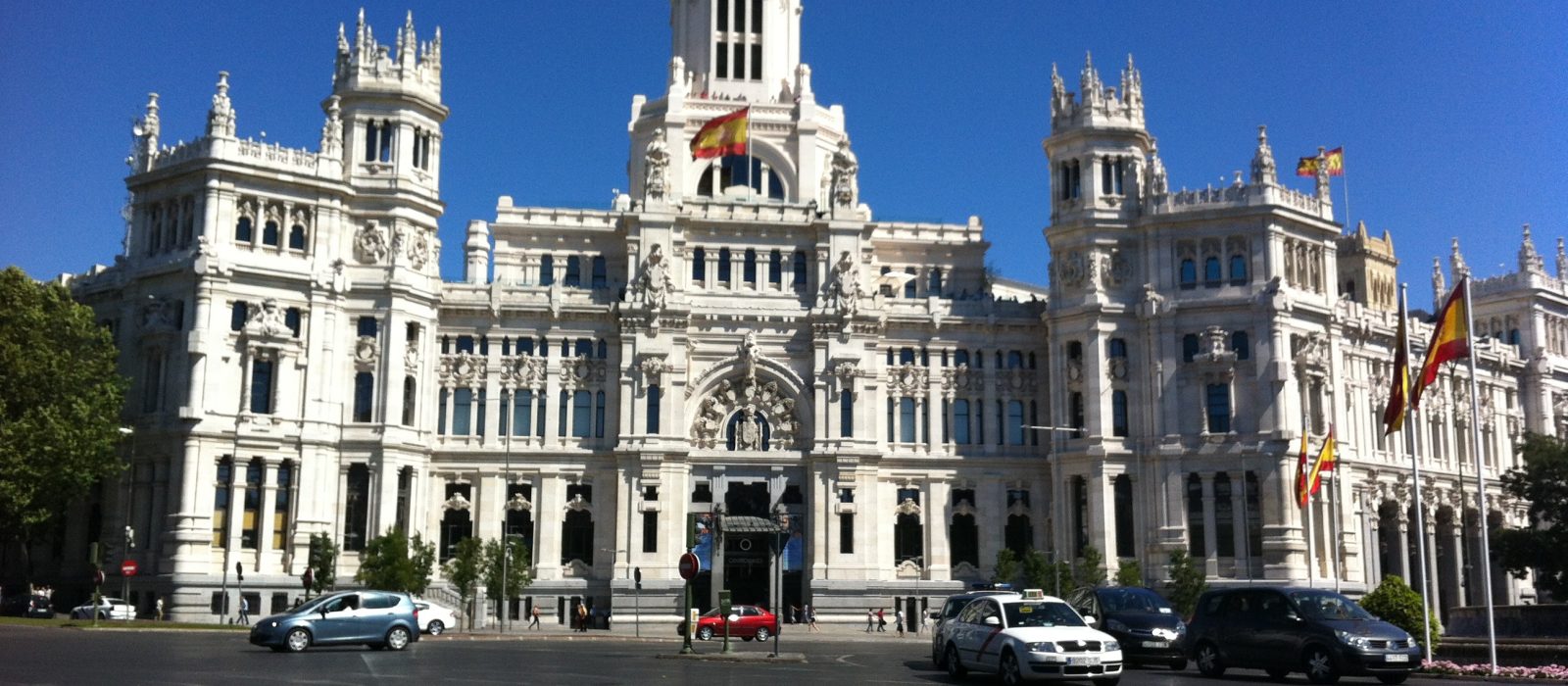
Formentera → Madrid
How to get from Formentera to Madrid: quick overview
The journey between Formentera and Madrid necessarily involves combining different modes of transport, as there is no direct flight and the ferry option requires a final land leg from mainland Spain.
To plan this trip, it’s essential to understand that you’re facing two very different scenarios: the speed of flying (with a layover) or the maritime experience of taking a ferry to the mainland followed by an overland journey. Below, we present a comparison based on verified data to help you choose the option that best suits your pace.
| Medio | Duración estimada | Precio aprox. | Frecuencia |
|---|---|---|---|
| Avión | Variable (sin vuelo directo) | Variable según escala | Diaria (conexiones) |
| Ferry + Tierra | 2h 5m (travesía) + trayecto a Madrid | 26€ – 92.50€ (solo ferry) | 4-7 salidas/semana |
If you’re a time-pressed traveler, the air option, although it requires a connection, is usually the most efficient in terms of total travel hours, avoiding the long road journey from the arrival port. Conversely, if you’re looking for the best price and enjoy the sea, the ferry from Dénia offers competitive fares, especially if you’re traveling without a vehicle. For those traveling with a car, the situation is complex: summer regulations severely restrict vehicle access from the mainland, so generally only foot passenger tickets are sold on direct routes, making renting a car at your destination or using public transport the most viable alternative.
By plane from Formentera to Madrid
According to verified data for this route, there is no direct flight connecting Formentera Airport with Madrid-Barajas in a single leg. This means the air option necessarily involves a layover or a combination of flights, which increases the total journey time and logistical complexity compared to other busier island routes.
Since there is no direct connection operated regularly by a single airline between these two specific points without stopovers, the total travel time will depend on the availability of connections at airport hubs in the Balearic Islands or the mainland. The airports involved are Formentera (IATA code: FOM) for departure and Adolfo Suárez Madrid-Barajas (IATA code: MAD) for arrival.
Upon landing in Madrid, the transfer from the airport to the city center is quick and efficient. You can use the metro network, which connects T1, T2, and T4 directly with the center in approximately 30-40 minutes, or opt for a taxi or private hire vehicle (VTC), a journey that can vary between 20 and 30 minutes depending on traffic on the M-30 and M-40 ring roads. Given that there are no specific data on daily direct flight frequencies (because there are none), it is recommended to check the connection options available for your travel date well in advance.
By ferry from Formentera
The maritime option is a solid and scenic alternative, operated mainly by the ferry company Baleària, which connects the island with the mainland. It is important to clarify that the boat does not arrive in Madrid; the crossing ends at the port of Dénia (Alicante), from where you must continue your journey to the capital by land.
The ferry crossing lasts 125 minutes (approximately 2 hours and 5 minutes), making it the fastest direct route from the mainland. The frequency of departures ranges from 4 to 7 times per week, so it is vital to check the exact schedule according to the season in which you are travelling. As for the cost, the price per passenger ranges from €26 to €92.50, varying according to how far in advance you book and the class chosen.
There are other departure ports, such as Barcelona or Palma de Mallorca, but you should bear in mind that there is no regular direct connection from Barcelona; this option would require a stopover and a change of port in Ibiza, considerably lengthening the journey. Therefore, the route via Dénia is recommended for efficiency. A crucial point is the vehicle regulations: in high season (from June to September), access for private cars from the mainland is severely restricted. For this reason, direct mainland routes generally sell only foot passenger tickets, which makes boarding easier if you are travelling light but complicates the transfer if you depend on your own vehicle.
Plane or ferry? Which suits you best
The choice between plane and ferry depends entirely on your priorities: time, budget, and luggage. If we analyse the total door-to-door time, the plane might seem faster in the air, but since there is no direct flight, waiting times during stopovers can equal or exceed the time of a fast ferry plus the transfer from Dénia. The ferry offers a more relaxed experience of 2 hours and 5 minutes of sailing, but you must add the travel time from Dénia to Madrid (about 4 hours by car or train).
In terms of price, the ferry has a clear range of €26 to €92.50 per person, which can be very competitive if bought in advance. Flights, requiring a combination, tend to have more volatile fares. The deciding factor is usually luggage and comfort: the ferry allows you to move around more freely during the crossing and does not have the strict liquid or weight restrictions of aviation, although the limitation on vehicles in summer is a drawback for drivers.
If you are travelling with a lot of luggage or prefer to avoid multiple airport security checks, the ferry is an option worth considering, provided you organise the final land leg well. If, on the other hand, you are looking to reach Madrid in the shortest possible time and don’t mind a stopover, the flight combination remains the standard choice for long distances.
Where to stay in Madrid
Madrid is a vast city with options for every budget. For a traveler arriving from the island, the ideal choice is to stay in well-connected areas to minimize travel time.
- Centro (Sol, Gran Vía, Ópera): This is the most vibrant and touristy area. Ideal for being within walking distance of the main points of interest. Prices here tend to be higher, especially in 4 and 5-star hotels, but the convenience of stepping out of your hotel and being right in the action is priceless.
- Barrio de las Letras (Huertas): A charming area full of literary bars and traditional restaurants. It is perfect for enjoying Madrid’s gastronomy at night. Accommodations here range from charming hostales (budget inns) to boutique hotels.
- Malasaña and Chueca: If you are looking for a more modern, youthful, and nightlife-oriented atmosphere, these are the right neighborhoods. They offer a wide range of tourist apartments and design hotels.
- Arganzuela and Retiro: For those who prefer tranquility and proximity to green spaces like Parque del Retiro (Retiro Park). This is an excellent option for families or travelers seeking rest after the journey from the island.
Regarding price ranges, a hostal or shared room can cost between 25€ and 50€ per night. A standard 3-star hotel or tourist apartment usually ranges from 80€ to 150€, while luxury hotels in the center can easily exceed 250€ per night, especially in high season.
What to eat in Madrid
Madrid’s gastronomy is hearty, traditional, and perfect for replenishing your energy. You cannot visit the capital without trying its emblematic dishes, which reflect the city’s history and character.
- Cocido Madrileño (Madrid-style stew): This is the king of stews. It is a dish of chickpeas slow-cooked with various meats (bacon, beef shank, hen) and vegetables. It is traditionally served in “tres vuelcos” (three stages): first the broth, then the chickpeas and vegetables, and finally the meats. It is a heavy dish, ideal for lunch.
- Bocadillo de Calamares (calamari sandwich): An absolute classic, especially popular in the bars surrounding the Plaza Mayor. It consists of battered and fried squid rings served in a crusty bread roll. It is the perfect option for a quick, cheap, and delicious meal while exploring the city center.
- Callos a la Madrileña (Madrid-style tripe): A must for offal lovers. This is a dish of beef tripe stewed for hours until tender, accompanied by chorizo, morcilla (blood sausage), and paprika. It is a flavorful and traditional dish, typical of old taverns.
- Huevos Rotos (broken eggs): Simplicity at its finest. These are fried eggs with runny yolks that are “broken” over a bed of diced fried potatoes. It is often topped with jamón serrano (cured ham) or chorizo. It is the ultimate go-to dish in tapas bars.
The average price per person in a traditional restaurant, including a main course and a drink, is around 15€ – 25€. If you opt for a menú del día (set lunch menu), you can find very complete options for about 12€ – 18€.
Best time of year for this trip
Spring and autumn are, without a doubt, the best seasons to travel from Formentera to Madrid. During these months, temperatures in the capital are mild and pleasant, allowing you to walk around the city without suffering the stifling heat of summer or the intense cold of winter.
Traveling in these seasons also lets you avoid the massive tourist crowds. In summer, both flights and ferries to the islands fill up quickly and prices rise considerably due to high holiday demand. The regulations restricting vehicles on ferries are also stricter in summer, so traveling in spring or autumn gives you more flexibility and peace of mind when organizing your transport logistics.
Frequently asked questions about the Formentera-Madrid route
How long does it take to get from Formentera to Madrid?
The time varies depending on the means of transport. By ferry, the sea crossing takes 125 minutes (2h 5m) to Dénia, to which you must add the land journey to Madrid. By plane, there are no direct flights, so the total duration depends on the available stopovers and connections.
Can you drive from Formentera to Madrid?
There is no continuous road. To take your car, you must put it on a ferry. However, keep in mind that regulations severely restrict access for private vehicles from the mainland during high season (June-September), and generally only passenger tickets are sold on direct routes.
Which is cheaper, the plane or the ferry?
The ferry has a verified passenger price between 26€ and 92.50€. The plane, having no direct flight and requiring a connection, usually has more variable fares and is often more expensive if not booked well in advance, although this depends on the offers available at the time.
When is the best time to travel?
The best time is spring and autumn. During these months, the weather in Madrid is ideal and you avoid the summer high season, when ferry and plane tickets are more expensive and there are more restrictions on vehicles.
📍 También te puede interesar
Qué ver en Formentera →
Qué ver en Madrid →