Ávila → Segovia
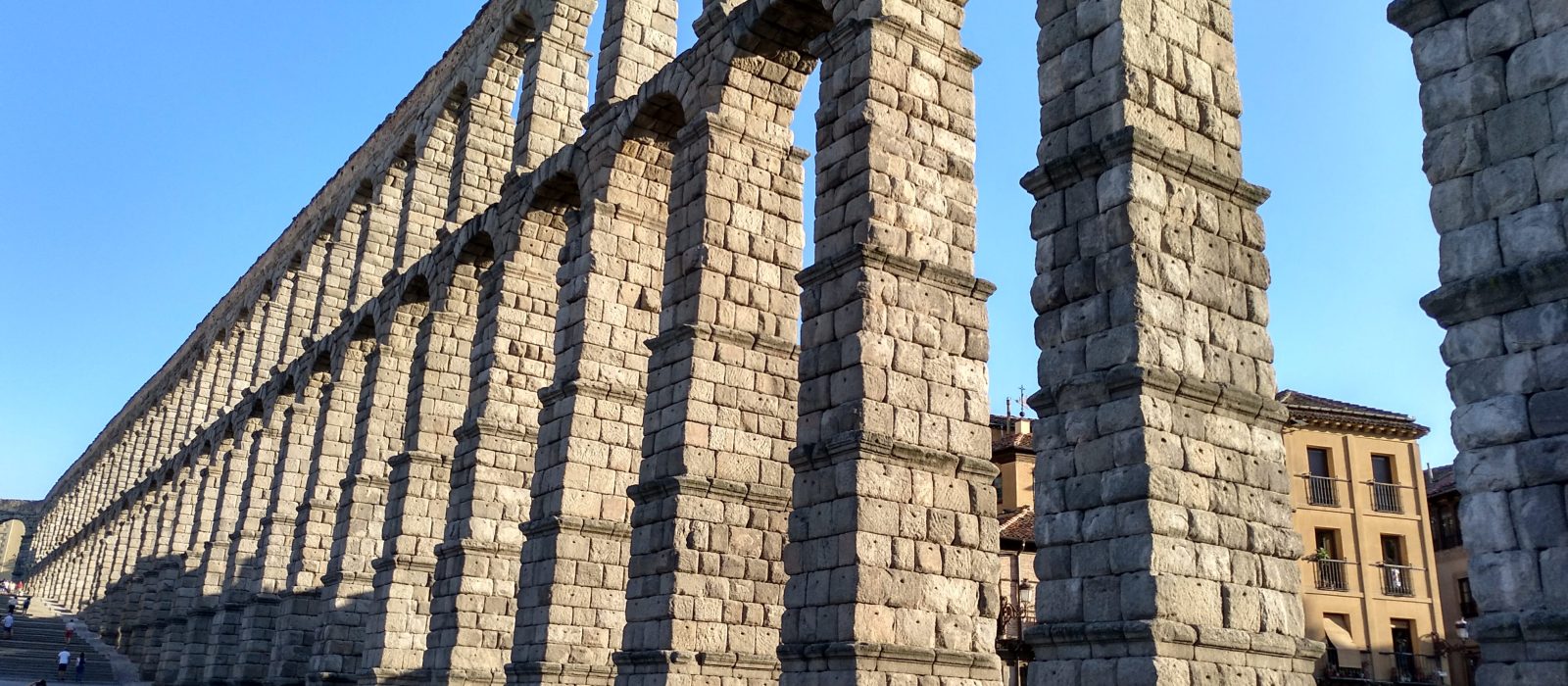
67 kmImagine crossing the Castilian plateau in under an hour, leaving behind the medieval walls of Ávila to discover Roman elegance and the Aqueduct of Segovia (Acueducto de Segovia), all while traversing a mountain landscape that shifts colors with the seasons. This short but intense journey is one of the most pleasant connections in central Spain, ideal for those seeking freedom of movement and the chance to stop and breathe the pure mountain air before reaching their final destination.
How to get from Ávila to Segovia: quick summary
The most efficient and recommended option for traveling between these two cities is undoubtedly by private or rental car, as there is no direct rail link connecting both points without complicated transfers. Given the very short distance of just 67 kilometers, the bus is a viable but less flexible alternative, while the train is ruled out as a primary option due to the lack of direct infrastructure between the stations of both capitals. For the independent traveler who values their time and wishes to explore the route at a leisurely pace, the private vehicle is the undisputed king of this connection, allowing you to manage schedules at will and take advantage of intermediate stops that make this trip more than a simple transfer.
Driving from Ávila to Segovia
The drive takes approximately 50 minutes using a combination of modern, toll-free highways that guarantee a smooth and safe journey. The route begins by taking the A-50 highway, known as the Ávila-Salamanca Highway (Autovía Ávila-Salamanca), a high-capacity road with no tolls that allows you to leave the city of Ávila quickly, avoiding urban traffic and gaining altitude toward the mountains. Once you have covered the first section, the connection naturally leads to the A-6, the famous Northwest Highway (Autovía del Noroeste), which also requires no toll payment and will take you directly to the outskirts of Segovia. This combination of the A-50 and A-6 offers a very comfortable driving experience, with wide lanes and good signage, making the 67-kilometer distance fly by, especially if the weather cooperates and visibility is good in the mountain sections. It is important to pay attention to speed limits, as traffic flow can vary on these toll-free highways, but overall it is a very direct route that does not require advanced navigation skills; simply following signs for Madrid or Segovia is enough to correctly link both roads.
Recommended stops along the way
Although the journey is short, there are two strategic towns where it is highly recommended to stop to break the monotony of driving and enjoy the mountain surroundings. The first mandatory stop is Guadarrama, a municipality that acts as a natural nexus on the route and offers full services for travelers. In Guadarrama, you can find rest areas, gas stations, and a variety of dining options that allow you to stretch your legs and enjoy a coffee with views of the mountains before continuing. It is an ideal spot if you leave Ávila with plenty of time and want to make the trip more relaxed, taking advantage of the infrastructure of this town, which is very accustomed to A-6 traffic. The second key stop is El Espinar, a locality located even closer to Segovia that marks the definitive entry into the province of Segovia from this direction. El Espinar is perfect for a final technical stop, perhaps to check the map or simply to admire the traditional architecture of the area before arriving at the historic center of Segovia. Both stops, Guadarrama and El Espinar, are situated in such a way that they do not divert you from the main route, so adding these minutes to your 50-minute journey will not cause a significant delay, but rather enrich the tourist experience.
Where to Stay in Segovia
To spend the night in Segovia, the ideal choice is accommodation in the historic center to be close to the monuments, although the surroundings offer more affordable and tranquil options with good access. If you are looking for a luxury and historical experience, the area within the city walls or very close to the Aqueduct (Acueducto) features upper-category hotels and ancient palaces converted into lodgings, where prices usually range on the higher end, frequently exceeding 150 euros per night depending on the season. For travelers with a mid-range budget, there are numerous three-star hotel options and rural houses in the immediate outskirts of the center, offering modern amenities and parking, with rates that typically move between 70 and 120 euros. If your priority is economy, the city has hostels, guesthouses, and tourist apartments, especially in the streets adjacent to the Cathedral (Catedral) and the Main Square (Plaza Mayor), where it is possible to find rooms ranging from 40 to 80 euros. It is essential to book in advance, especially on weekends and during long holiday bridges, as availability runs out quickly due to the city’s high tourist demand, regardless of the area you choose to establish your base camp.
Frequently Asked Questions about the Ávila-Segovia Route
How long does it take to get from Ávila to Segovia?
The estimated driving time is 50 minutes, covering a total distance of 67 kilometers via highway.
What is cheaper, the train or the bus?
As there is no direct train between these cities, the bus is usually the most economical public transport option, although carpooling can be more cost-effective for groups.
Is it worth renting a car?
Yes, it is absolutely worth renting a car due to the lack of a direct train and the possibility of making tourist stops in Guadarrama and El Espinar without depending on fixed schedules.
When is the best time to travel?
The best time to travel is during spring and autumn, when temperatures in the mountains are mild and the landscape along the A-50 and A-6 routes displays its best colors.