Benidorm → Alicante
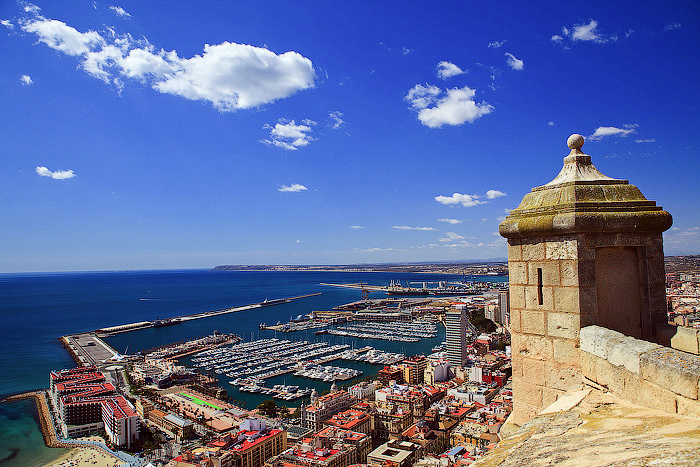
45 kmBarely forty kilometers separate two worlds that seem like siblings yet live at very different paces: Benidorm, with its skyscrapers leaning over the sea, and Alicante, with its white castle watching over the Mediterranean from the top of Mount Benacantil. Driving this stretch along the A-31 means looking out the window and watching the urban skyline transform, the coastline open up into hidden coves, and the province’s gastronomy reveal its secrets dish by dish.
How to get from Benidorm to Alicante: quick overview
The journey from Benidorm to Alicante, 45 km by road and about 35 minutes by car, is easily covered via the A-31 motorway, a toll-free route connecting both towns in just over half an hour. For those who prefer public transport, there are direct bus services operated by Alsa and BlaBlaCar Bus, with a journey time of approximately 40 minutes and tickets ranging from 5 to 12 euros depending on the schedule and how far in advance you book.
The best option depending on the traveler’s profile? By car if you want to stop and explore coastal towns like La Vila Joiosa or inland villages like Mutxamel. By bus if you’re looking for an affordable solution without worrying about parking in central Alicante. Either way, services are frequent and the trip is very manageable.
By car from Benidorm to Alicante
Driving between Benidorm and Alicante along the A-31 (Autovía de Alicante) is the most flexible and comfortable option: 45 km covered in approximately 35 minutes on a toll-free motorway with a good road surface and an almost straight route southward.
You leave Benidorm by taking the A-31 towards Alicante. This road, also known as Autovía d’Alacant in its Valencian designation, is a dual carriageway that allows you to maintain a steady pace throughout the entire journey. Since it is not a toll motorway, the cost of the trip by car is limited to fuel, making it a very attractive alternative to the tolled AP-7.
Along the way, the motorway passes towns on both sides brimming with Mediterranean charm that invite you to pause: the coast appears and disappears between hills, and as you approach Alicante the landscape becomes increasingly urban. Once at your destination, keep in mind that central Alicante has regulated parking zones (blue zone and orange zone), so if you’re spending the day, the most practical option is to find an underground car park or the port car park.
By bus from Benidorm to Alicante
Yes, there is a direct bus between Benidorm and Alicante, operated mainly by Alsa and BlaBlaCar Bus, two companies that cover the route with several daily departures and a journey time of approximately 40 minutes. Ticket prices range from 5 to 12 euros depending on the schedule, how far in advance you book, and the fare chosen.
Buses depart from Benidorm bus station and arrive at Alicante bus station, located right in the city center, very close to the port and the old town. This is a huge advantage for travelers who don’t want the hassle of a car: you step off the bus and you’re practically on the Explanada de España.
Practical tip: buying your ticket online in advance through Alsa or BlaBlaCar Bus gives you access to the cheapest fares in the range, while tickets purchased just before departure tend to be at the higher end of the price range. Frequencies are especially dense on weekends and in summer, when many visitors combine both cities in a single day.
Recommended stops along the way
Although the journey is short, the A-31 offers the chance to make slight detours and discover towns with plenty of character. These are the stops worth making along the route.
la Vila Joiosa / Villajoyosa
La Vila Joiosa, popularly known as Villajoyosa, is one of the most photogenic stops on the route. Its colorful houses —blue, ochre, red— hanging over the beach are the town’s most recognizable image and a perfect setting to stretch your legs before continuing your journey. Its old town preserves 16th-century walls and the church of la Asunción, and its port still maintains the fishing tradition with its typical boats. If hunger strikes, Villajoyosa is a great place to try fresh grilled fish.
el Campello
El Campello is a coastal town that combines urban beaches with quieter coves, and one of its main attractions is the Torre de la Illeta, a 16th-century fortress declared a Site of Cultural Interest on an islet that can be reached on foot when the tide is low. It’s an ideal stop for those traveling with children or for anyone looking for a quick dip before arriving in Alicante.
Sant Joan d’Alacant
Sant Joan d’Alacant is already the gateway to the capital and a town with a strong identity of its own. Its Muchavista beach, shared with El Campello, is one of the most extensive in the area and very popular among surfers. Its town center retains a Mediterranean village atmosphere with a great tapas scene and terraces for a mid-afternoon stop.
Mutxamel
Mutxamel is the perfect option for those who prefer inland areas without giving up the Alicante landscape. Surrounded by orchards and almond fields, it’s a traditional town known for its Festa de l’Ou (Egg Festival) and for very authentic spoon-based cuisine. If you fancy a quieter lunch away from the more touristy areas, Mutxamel is an excellent choice.
Sant Vicent del Raspeig / San Vicente del Raspeig
Sant Vicent del Raspeig, just a few kilometers from Alicante, is already a university city thanks to its University of Alicante campus. The atmosphere here is dynamic, young, and cosmopolitan, with a wide range of bars and restaurants at very competitive prices. It’s the last logical stop before entering the capital and an ideal place to refuel or grab a coffee.
Where to stay in Alicante
Alicante offers accommodation for all tastes and budgets, but the choice of neighborhood completely shapes the experience. The Postiguet and Explanada area is the most central, perfect for those who want everything at hand and to get around on foot: hotels with sea views, more functional options, and a lively nightlife. For tight budgets, the area around the bus and train station offers hostels and guesthouses with good value for money.
Another interesting option is to stay in neighborhoods like the old town, known as El Barrio, where the atmosphere is more authentic and you can find charming tourist apartments in historic buildings. If you’re traveling as a family and prefer a quieter atmosphere, the residential developments towards San Juan and El Campello offer more spacious hotels and less crowded beaches, although they require a car or public transport to reach the center.
As for price ranges, budget hostels and guesthouses in the center can be found from very affordable prices, while mid-range hotels usually fall within reasonable brackets, especially if booked in advance. In high season (June-September) and during the Hogueras de San Juan (Bonfires of Saint John), prices rise significantly, so it’s best to book ahead.
Where to eat along the route
The cuisine of the province of Alicante is one of the most flavorful on the Mediterranean coast, and the journey between Benidorm and Alicante is a perfect opportunity to sample some of its most iconic dishes.
- Arroz a banda: One of the great classics of Alicante gastronomy. It is a rice cooked in a concentrated broth of rockfish and seafood, traditionally served with alioli (garlic mayonnaise). The main ingredients are rice, rockfish, shrimp, and squid. It is easy to find in village restaurants along the coast.
- Coca amb tonyina: A savory pie typical of the Hogueras de San Juan (Bonfires of Saint John) festival in Alicante. It is filled with atún de sorra (salt-cured tuna), sautéed onion, and pine nuts, and is one of the most representative recipes of Alicante’s festive cuisine.
- Esgarrat: A traditional cold salad combining roasted red peppers, flaked salt cod, black olives, and garlic. It is dressed with generous amounts of extra virgin olive oil and is perfect as a refreshing starter at any table.
- Fondillón de Alicante: For wine lovers, Fondillón is a unique treasure. It is a generous, naturally sweet wine made from very ripe Monastrell grapes and aged in solera casks for at least 10 years. It offers notes of nuts, raisins, and wood, and is a perfect accompaniment to a long after-dinner conversation.
- Turrón de Jijona: No visit to the area can end without trying the soft turrón (nougat) from Jijona, made with toasted and ground Marcona almonds, pure orange blossom honey, and egg white. With a smooth, creamy texture, it is an emblematic Christmas sweet that in Alicante is enjoyed all year round.
Frequently asked questions about the Benidorm-Alicante route
How long does it take to get from Benidorm to Alicante?
By car, the journey via the A-31 (toll-free) takes approximately 35 minutes to cover the 45 km distance. By direct bus with Alsa or BlaBlaCar Bus, the duration is around 40 minutes, with frequent departures throughout the day.
Which is cheaper, the train or the bus?
There is no direct train between Benidorm and Alicante, so the bus is the available public transport option. Alsa and BlaBlaCar Bus tickets for this route range between 5 and 12 euros, a very competitive fare for the 45 km journey.
Is it worth renting a car?
Yes, it is especially worthwhile if you want to stop in towns such as la Vila Joiosa, Mutxamel, or El Campello, since public transport between these towns is not always direct or frequent. If you only plan to go from Benidorm to Alicante without detours, the direct bus covers the route perfectly at a very reasonable price.
When is the best time to travel?
The best time to enjoy this route is between April and June or from September to October, when the weather is mild, bus frequencies remain high, and accommodation in Alicante is more affordable. In July and August the heat is intense but the cultural and leisure offerings in both cities are at their peak, while in winter prices drop considerably and the temperature is still pleasant for a weekend getaway.
📍 También te puede interesar
Qué ver en Benidorm →
Qué ver en Alicante →