Internet and eSIM in Spain for Tourists
The fastest and most economical way to get Internet and an eSIM in Spain as a tourist is to purchase a digital SIM card before landing, thus avoiding queues at airports and international roaming charges from your local carrier. If you are planning your getaway to the Iberian Peninsula, you have likely already imagined sharing photos of the Alhambra (Alhambra Palace) or searching for the best tapas route in real time, but nothing ruins that experience faster than losing connection in the middle of Gran Vía.
For years, the standard option was to look for a kiosk immediately upon exiting the arrivals terminal or rely on public WiFi in cafés, which often require registration with a local phone number or offer lamentable speeds. However, technology has advanced, and according to recent data from the National Markets and Competition Commission (CNMC), Spain boasts one of the densest fiber and mobile networks in Europe, making the connectivity experience excellent if you choose the right provider.
In this guide, we will break down everything you need to know to stay connected from the very first minute. We will analyze the differences between a physical card and an eSIM, compare real prices, and provide practical tips based on our experience traveling from Picos de Europa to the beaches of Cádiz. Forget about surprise “roaming charges” on your bill when you return home.
Why choose an eSIM over a physical SIM card?
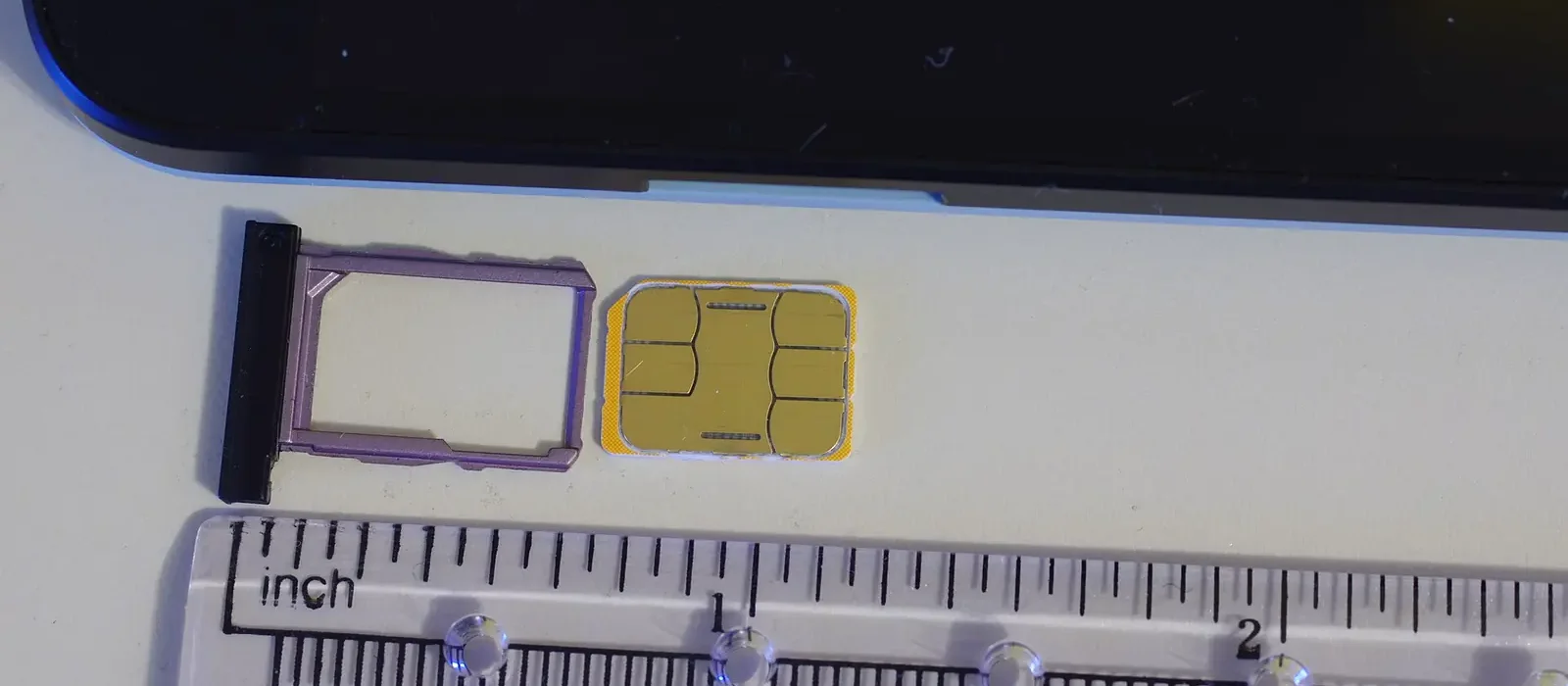
Before diving into brands and prices, it is essential to understand the paradigm shift. An eSIM (embedded SIM) is a digital chip already integrated into your smartphone (if it is a relatively recent model, such as iPhone XR onwards or Samsung Galaxy S20+). Unlike a physical SIM, you do not need a tool to eject your phone’s tray, nor do you run the risk of losing that tiny piece of plastic.
For travelers, the main advantage is immediacy. You can purchase your data plan while still at home, scan a QR code, and have Internet as soon as the plane touches down at Barajas or El Prat. Furthermore, most eSIMs for tourists are data-only, meaning you can keep your original number active to receive calls or important WhatsApp messages, using the eSIM exclusively for browsing, using Google Maps, and posting stories to Instagram.
Comparison: The Best Connectivity Options in Spain
The market is saturated with options, but not all offer the same value for money. Below, we present a comparison table featuring the most reliable choices for 2024, based on average market prices and coverage reported by users.
| Opción / Proveedor | Tipo | Datos (Ejemplo) | Precio Orientativo | Ideal para |
|---|---|---|---|---|
| Airalo (España Connect) | eSIM (Solo datos) | 1 GB – 20 GB | 4,50 € – 26,00 € | Viajeros cortos y digitales nómadas |
| Holafly | eSIM (Datos ilimitados) | Ilimitados (5 GB/día) | 19,00 € (5 días) – 47,00 € (20 días) | Quienes consumen mucho streaming o video |
| Orange Holiday Europe | SIM Física / eSIM | 50 GB + Llamadas EU | 39,99 € (30 días) | Estancias largas y necesidad de número local |
| Roaming de tu operador (UE) | Tu SIM actual | Según tu tarifa | 0 € (Extra coste) | Ciudadanos de la Unión Europea |
Details of Recommended Options
This is likely the most popular option for weekend getaways or week-long stays. Its “España Connect” plan uses the Movistar network, which typically offers the best coverage in rural areas. It stands out because it allows you to easily top up if you run out of data sooner than expected.
If your biggest fear is running out of data mid-trip, this is your choice. They offer unlimited data (subject to a fair use policy of 5GB per day at maximum speed). It is ideal for travelers who use their phone as a hotspot for laptops or stream a lot of video content.
This is the traditional “premium” option. Unlike the previous ones, it includes a valid French/Spanish phone number usable throughout the EU, along with calling minutes. It is the best choice if you need to make restaurant reservations by phone or receive work calls.
Step-by-Step Guide: How to Install Your eSIM Before Traveling
Installing an eSIM might seem intimidating if it’s your first time, but the process is surprisingly simple. Follow these steps to ensure your connection:
- Check compatibility: Before buying anything, make sure your phone is unlocked and eSIM-compatible. You can verify this on the manufacturer’s website or by dialing
*#06#on your phone; if an EID number appears, you have eSIM capability. - Purchase online: Choose your provider (such as those mentioned above) and buy your desired plan. You will receive an email with a QR code almost instantly.
- Installation (iOS/Android): Go to Settings > Cellular/Mobile Data > Add Data Plan. Scan the QR code with your camera. Editor’s tip: Do this while you still have Wi-Fi at home; don’t wait until you are at the airport without a connection.
- Route configuration: Once installed, label the line “Travel” or “Data.” Ensure that “Mobile Data” is assigned to this new line and enable “Data Roaming” only for this eSIM line, keeping your primary line without roaming to avoid charges.
- Activation: In most cases, the eSIM activates automatically upon detecting a Spanish network. If not, go into the eSIM settings and enable “Turn On This Line.”
Coverage and speed: What to expect in Spain?
Spain boasts an enviable telecommunications infrastructure. According to OpenSignal reports, the average 4G download speed in Spain frequently exceeds 25 Mbps, and 5G coverage is expanding rapidly in major cities like Madrid, Barcelona, Valencia, and Seville.
However, there are important nuances depending on your destination:
- Major Cities: In downtown Madrid or Barcelona, 5G speed is exceptional. You’ll be able to upload 4K videos without any issues.
- Rural Areas and White Villages: If you plan to visit the Sierra de Cádiz, Picos de Europa, or remote villages in Aragón, 5G coverage may disappear. Here, it is vital to have an eSIM using the Movistar or Orange network, as they have historically had better reach in mountainous areas than mobile virtual network operators (MVNOs) that use the Yoigo or MásMóvil networks.
- Beaches and Coves: In pristine coves in Ibiza or Menorca, the signal can be intermittent. Do not rely 100% on offline Google Maps in these areas.
Free alternative: Public WiFi in Spain
If your budget is very tight and you only need occasional connectivity to send a message, Spain is quite friendly towards free WiFi, though with security limitations.
- Metro and Airports: The Madrid Metro (“MetroWiFi”) and Barcelona Airport (Aena WiFi) offer free connections, although registration via SMS is sometimes required.
- Libraries and Museums: Almost all state museums (Prado, Reina Sofía) and public libraries offer free high-speed WiFi.
- Cafés: Chains like Starbucks or VIPS usually have open networks, but remember that since these are public networks, avoid carrying out banking transactions or entering sensitive passwords without an active VPN.
Conclusion
Having Internet and an eSIM in Spain for tourists should not be a headache, but rather a tool that enhances your trip. Our final recommendation is clear: if you are coming from outside the European Union, invest the €15–20 in an unlimited or high-consumption data eSIM before leaving home. The peace of mind of arriving, opening Uber or Google Maps immediately, and sharing your first photos without worrying about data allowance is priceless.
If you are an EU citizen, remember that “Roam like at home” covers you, but keep an eye on your operator’s fair usage limits. Now that you are connected, do you want to know what the best hiking routes near Madrid are or where to eat the best tapas in Seville? Explore our other travel guides to plan your perfect itinerary.